
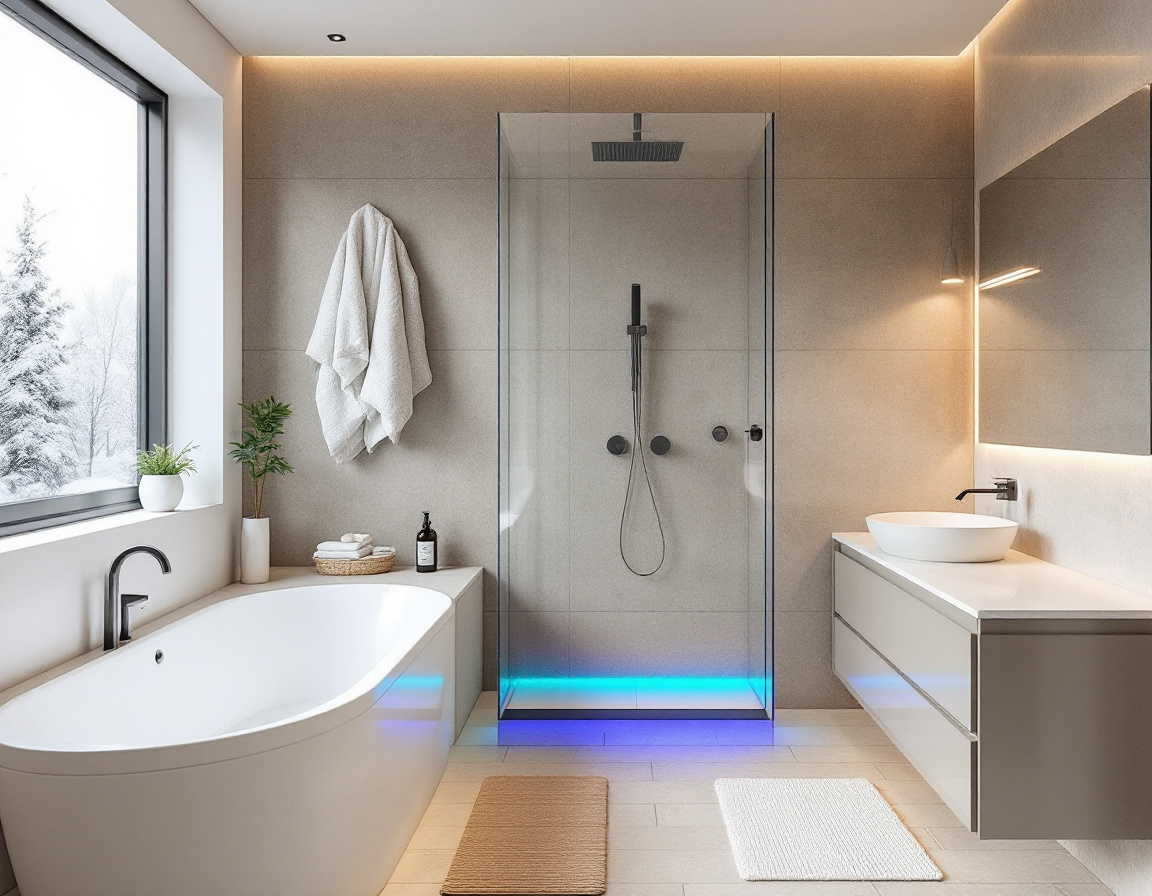
The Evolution of the Smart Bathroom: Transforming Utilitarian Spaces into Intelligent Wellness Sanctuaries

For decades, the bathroom remained the most structurally rigid room in the home. While kitchens welcomed internet-connected appliances and living rooms became hubs for automated entertainment, the bathroom relied on the same basic mechanics of manual valves, gravity-fed drainage, and simple analog fixtures. Today, that narrative has shifted completely. The modern residential bathroom is undergoing a profound technological transformation, evolving from a purely utilitarian space into an interconnected wellness sanctuary driven by artificial intelligence, automated efficiency, and personalized biometrics.
Upgrading to an intelligent bathroom is no longer just about novelty or luxury. It represents a strategic investment in residential property value, everyday hygiene, resource conservation, and long-term home wellness. By seamlessly embedding high-performance hardware and software directly into the architectural fabric of the room, homeowners can create an environment that actively anticipates human needs while minimizing waste.
Intelligent Toilets and the Rise of Integrated Health Sensing
The primary anchor of any future-ready bathroom is the smart toilet. No longer a niche luxury import, these advanced fixtures have become the focal point of modern bathroom architecture due to their unparalleled hygienic benefits and preventative health capabilities.
Traditional toilets rely heavily on manual contact and excessive water volume. In contrast, intelligent electronic water closets utilize advanced proximity sensors to offer a completely touchless user experience. The porcelain unit detects an approaching user, automatically raises the lid, activates a heated seat component, and initiates a localized air-purification system to neutralize odors at the source. Upon departure, the unit engages a precision dual-flush mechanism and closes the lid automatically, significantly reducing the airborne spread of particles.
The true paradigm shift in this category involves the integration of non-invasive health diagnostics. Cutting-edge models now feature built-in optical and electrochemical sensors within the toilet bowl. These medical-grade arrays analyze waste products in real time to monitor baseline health metrics, including hydration levels, metabolic shifts, digestive efficiencies, and the presence of biomarkers. The encrypted data syncs directly with secure personal health applications, allowing users to track wellness trends or share insights with medical professionals long before physical symptoms manifest. Furthermore, these units prioritize maintenance autonomy, utilizing integrated ultraviolet light sanitation cycles and hydrophilic ceramic glazes that actively repel mineral buildup and bacteria without the use of harsh chemical cleaners.
Digital Shower Enclosures and Micro-Climate Engineering
The shower experience has transitioned from a basic manual chore into a highly customized therapeutic event managed by precise digital thermostatic valves. Conventional plumbing layouts require users to manually manipulate mechanical handles, wasting gallons of clean water while waiting for the temperature to stabilize. Digital shower systems eliminate this friction entirely.
Through wall-mounted touchscreen interfaces or synchronized mobile applications, users can program exact temperature profiles down to the single degree, as well as select specific water pressure levels and output configurations. A user can activate their shower from bed; the system purges cold standing water from the lines and pauses the flow once the exact target temperature is reached, sending a notification when the enclosure is ready for entry.
Beyond simple temperature regulation, modern enclosures function as fully integrated micro-climate chambers. High-capacity steam generators feature rapid-heating technology that transforms a standard shower stall into a private sauna within minutes. These systems are engineered with automated drainage valves that flush the heating elements after each use, preventing scale accumulation and preserving system longevity.
To complement the physical water delivery, advanced enclosures feature flush-mounted acoustic transducers that vibrate through structural ceiling panels, filling the zone with uniform, directional sound fields without requiring visible speaker grilles. This is accompanied by integrated chromotherapy lighting, which utilizes specific light spectrums—such as energizing amber tones in the early morning to stimulate natural cortisol or deep indigo waves at night to encourage melatonin production—to align the bathing ritual with the human circadian rhythm.
Cognitive Mirrors and Connected Vanity Systems
The vanity area serves as the command center for morning and evening grooming routines, a role now enhanced by the introduction of cognitive smart mirrors. These are not merely glass panels with basic integrated television screens; they are high-performance computing surfaces designed to blend seamlessly into minimalist interiors when powered down.
When active, a cognitive mirror acts as an interactive dashboard for your household automation network. Utilizing low-glare, high-color-rendering LED backlighting, the mirror provides shadow-free task lighting that can be adjusted via voice commands to mimic specific external environments, ensuring optimal visibility for shaving or cosmetics application. Internal heating elements are wired behind the glass surface, automatically activating alongside the shower to ensure the mirror remains completely fog-free in high-humidity conditions.
Below the surface, the connected vanity ecosystem extends to localized storage and organizational climate control. Premium vanity cabinetry now incorporates specialized cooled drawers designed specifically to preserve organic skin serums, active cosmetic compounds, and specific prescription medications that degrade rapidly when exposed to the ambient heat and humidity of a standard bathroom. Additionally, the vanity countertop can feature integrated wireless charging zones carved directly into natural stone or high-performance porcelain surfaces, keeping personal grooming tools powered without exposing electrical cords to wet environments.
Resource Conservation via Touchless Faucets and Leak Detection Systems
Sustainability is a core component of modern building science, and the smart bathroom plays a critical role in reducing residential resource footprints. Touchless digital faucets bring commercial-grade efficiency into the residential space by utilizing precise infrared field sensors that interrupt water flow the instant hands are removed from the basin, preventing water waste during teeth-brushing or facial-cleansing routines.
Internal thermodynamic cartridges mix hot and cold supplies instantly to prevent prolonged water running, and digital flow limiters ensure compliance with strict ecological conservation standards without sacrificing perceived water pressure.
To safeguard the home against catastrophic water damage, intelligent main-line monitors and localized leak detectors are installed at critical junctions beneath sinks, bathtubs, and vanity units. These sophisticated monitoring systems measure microscopic drops in water pressure and track continuous consumption patterns across the entire plumbing network.
If a hidden pipe failure or an open valve is detected, the system immediately sends an urgent notification to the homeowner’s smartphone. In the event of a severe breach, the main line intelligent valve can automatically shut off the primary water supply to the entire property within seconds, preventing thousands of dollars in structural degradation and mold remediation costs.
Mechanical Ventilation and Air Quality Control
Moisture management is essential for preserving the structural integrity of residential buildings and protecting indoor air quality. Traditional bathroom exhaust fans rely on manual switch operation, often resulting in units being turned off too early or left running indefinitely, wasting energy.
Modern intelligent ventilation networks utilize precise solid-state humidity and temperature sensors to monitor the indoor air mass continuously. The exhaust system activates automatically the moment a rapid increase in ambient moisture is detected, adjusting its extraction velocity dynamically based on the volume of steam produced.
Rather than running at a single, noisy speed, these fans employ variable-speed direct-current motors that operate at whisper-quiet decibel levels, maintaining optimal airflow until the room’s dew point returns to a safe baseline level. This proactive moisture extraction prevents condensation from settling on drywall, stops paint from peeling, and eliminates the environmental conditions required for mold and mildew colonization, ensuring a healthy indoor space.
Frequently Asked Questions
Do smart bathrooms require special electrical rewiring during a home renovation?
Yes, integrating smart bathroom technology requires careful coordination between plumbing and electrical systems. Standard bathrooms typically feature limited electrical outlets near the vanity. Upgrading to smart toilets, digital showers, and automated mirrors requires dedicated lines run by a licensed electrician to deliver power safely to wet zones. These installations must utilize Ground Fault Circuit Interrupter protection to ensure absolute operational safety.
How do digital shower systems prevent accidental scalding if the household water pressure drops?
Digital shower systems utilize advanced electronic thermostatic mixing valves accompanied by high-speed microprocessors. If someone activates a high-demand appliance elsewhere in the home causing a sudden drop in cold water pressure, the digital valve reacts within milliseconds, adjusting internal internal flows or completely shutting down the water delivery instantly to prevent hot water from reaching the user.
Can smart bathroom features function during a residential power outage?
Functionality during a power outage depends on the specific hardware configurations installed. Many premium intelligent toilets and digital shower valves include integrated mechanical overrides or internal battery backup systems designed to provide standard flushing and basic water control for several days without external electrical power. However, advanced features like diagnostic sensing, steam generation, and touchless mirror interfaces will remain inactive until power is fully restored.
Are smart toilets compatible with existing older residential plumbing lines?
Most smart toilets are designed to fit standard residential waste pipe configurations and floor flanges. However, older homes may have lower static water pressure or outdated drainage venting systems. Fortunately, many modern intelligent toilets feature internal, gravity-assisted flushing engines or integrated hybrid pumps that normalize pressure inside the fixture, allowing them to perform exceptionally well even when connected to older plumbing infrastructures.
How do automated leak detection systems distinguish between a normal bath filling and a plumbing leak?
Intelligent leak detection systems use machine learning algorithms to establish a baseline profile of your home’s unique water usage habits. The system recognizes the specific signature, duration, and pressure drop associated with filling a standard bathtub or running a washing machine. If water flow occurs at an unusual time, persists continuously for an abnormal duration, or mimics the signature of a hidden pipe break, the system flags the anomaly immediately.
What maintenance is required to keep touchless faucet sensors operating accurately over time?
Touchless faucet sensors require very little maintenance beyond regular superficial cleaning. Modern infrared lenses are manufactured using durable, scratch-resistant materials that resist soap scum and hard water spotting. To maintain optimal accuracy, users simply need to wipe the sensor window occasionally with a soft microfiber cloth and avoid using highly abrasive cleaning compounds that could dull the finish or scratch the lens.
Comments are closed.