
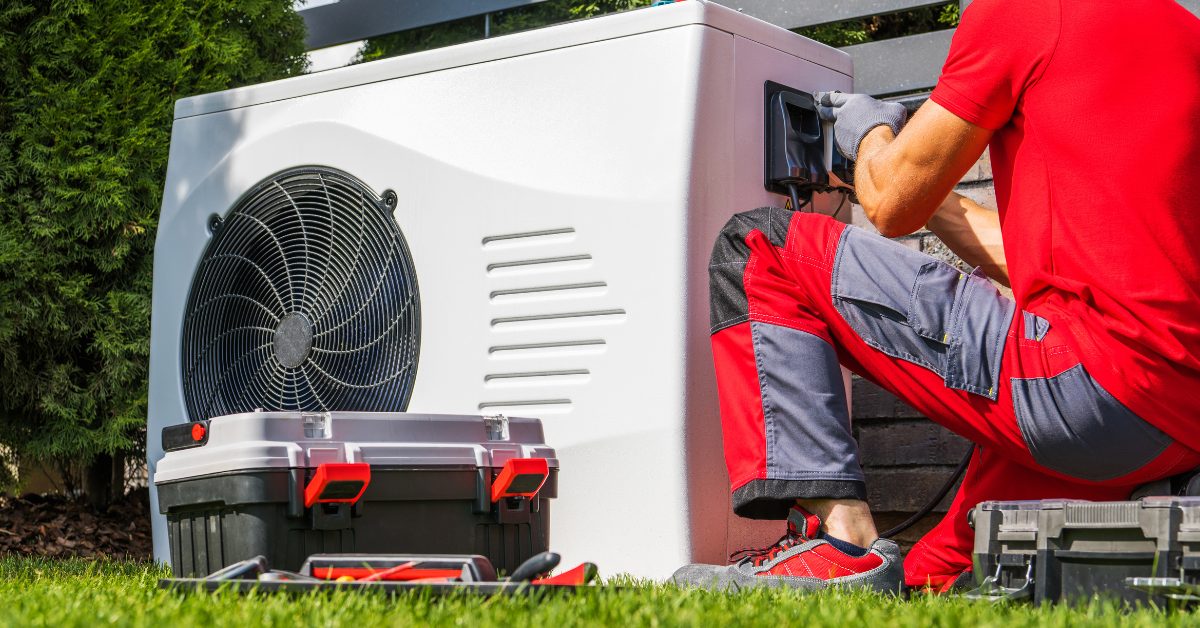

Most heating systems burn something or heat an element. Heat pumps do neither. They move thermal energy that already exists in the outdoor air into your home or hot water tank, using a refrigerant cycle to concentrate it. That distinction is what makes the efficiency numbers so different – a well-specified unit delivers three to four units of heat for every one unit of electricity consumed. That ratio is the Coefficient of Performance, and it’s why the economics of heat pumps are pulling ahead of every alternative on the market right now.
This isn’t new technology being pushed by policy. It’s proven technology that energy prices have finally made impossible to ignore.
The Shift Away From Gas Isn’t Ideological – It’s Financial
For decades, residential heating was dominated by gas-fired systems, for two main reasons: gas was cheap, and we had the network already. Both of those things are starting to change. Energy prices are volatile in ways that doesn’t always make it easy to budget for the long-term every month, and gas’s network needs continuous investment. Those homeowners who locked in heat pump systems a few years ago are largely insulated from those swings – their operational costs are only going down, and increasingly your power can come from your rooftop.
The decarbonization argument matters, too, but the real and upfront reason most people are choosing to switch is the bill comparison. When you’re running a system with a 300-400% efficiency rating against one that operates at 85-90% at best, the monthly gap only goes to compound.
Upfront Cost vs. Lifetime Value
Heat pumps cost more to install than a basic electric resistance tank or even some gas systems. That’s a real barrier and it shouldn’t be dismissed. But the payback period calculation has shifted considerably as unit prices have come down and energy costs have risen.
The way to think about it: a resistance element turns one unit of electricity into one unit of heat. A heat pump turns one unit into three or four. Over ten to fifteen years of operation – which is a realistic service life for a quality system – the difference in running costs typically exceeds the installation premium by a significant margin. Pairing the system with a photovoltaic solar array makes the numbers even cleaner, because you’re running an efficient system on energy, you’re generating yourself.
Modern Units Don’t Have The Cold-Climate Problem
One of the persistent objections to heat pumps was that they struggled in low ambient temperatures. That was a legitimate concern with older technology. It’s much less valid now. Inverter-driven compressors, which modulate output rather than cycling on and off, have dramatically improved low-temperature performance. Modern units with refrigerants like R32 or R290 operate effectively in conditions well below freezing, and hybrid systems that pair the heat pump with a traditional booster element provide a backup for extreme conditions in any climate.
The operational model has also matured. These are genuinely set-and-forget systems when correctly specified and installed. That reliability is part of why heat pumps are showing up in new construction specs as standard, not optional.
Choosing The Right System And Installer Matters
Heat pumps aren’t a one-size-fits-all solution. Different compressors, tank lining materials, and refrigerants will all perform for different lengths of time in local conditions. For example, a vitreous enamel tank lining can adapt to varying water chemistry much more effectively than other materials – something that is important in regions with particularly hard water. Inverter technology is also interesting for this type of consideration, since it will lead to the longest lifespan of the compressor through also improving the efficiency of the heat pump.
Equally as important as the quality of the heat pump, however, is the quality of the installation. The thermal envelope of your house will be a big influence on this metric – the system doesn’t need to be as powerful if your house is properly insulated and sealed. A good contractor will take this into account and advise you on what size of a unit you would actually need, and not just offer you the cheapest one that will technically do the job.
For those looking for heat pumps Perth, you can turn to a network of installers in Western Australia that will be familiar with the specific climate – hot summers and mild but not extreme winters that can actually allow especially air-source heat pumps to thrive. This kind of knowledge is very important since you need to size the system properly and also position it in a way that will allow it to suck up as much heat from the surrounding air as possible.
According to the International Energy Agency, high-efficiency heat pumps could reduce global CO2 emissions by at least 500 million tonnes by 2030 – equivalent to annual emissions from all cars in Europe. That scale reflects how much uptake is already happening, not a projection based on optimism.
Heat Pumps As A Property Decision
Apart from your regular expenses, there is a common-sense business case for this. A house with a new, modern heating system is generally going to be an easier sell than one dependent on the increasingly creaky gas infrastructure. As building regulations march onward and upward, and purchasers become ever more clued up about their running costs and carbon emissions, the presence of a heat pump will stop being a selling point and become a minimum requirement.
This isn’t an emerging technology any longer. It’s ready. And with the business case looking increasingly compelling for most homeowners, the question is less whether you’ll make the move and more when it will happen.
Comments are closed.