
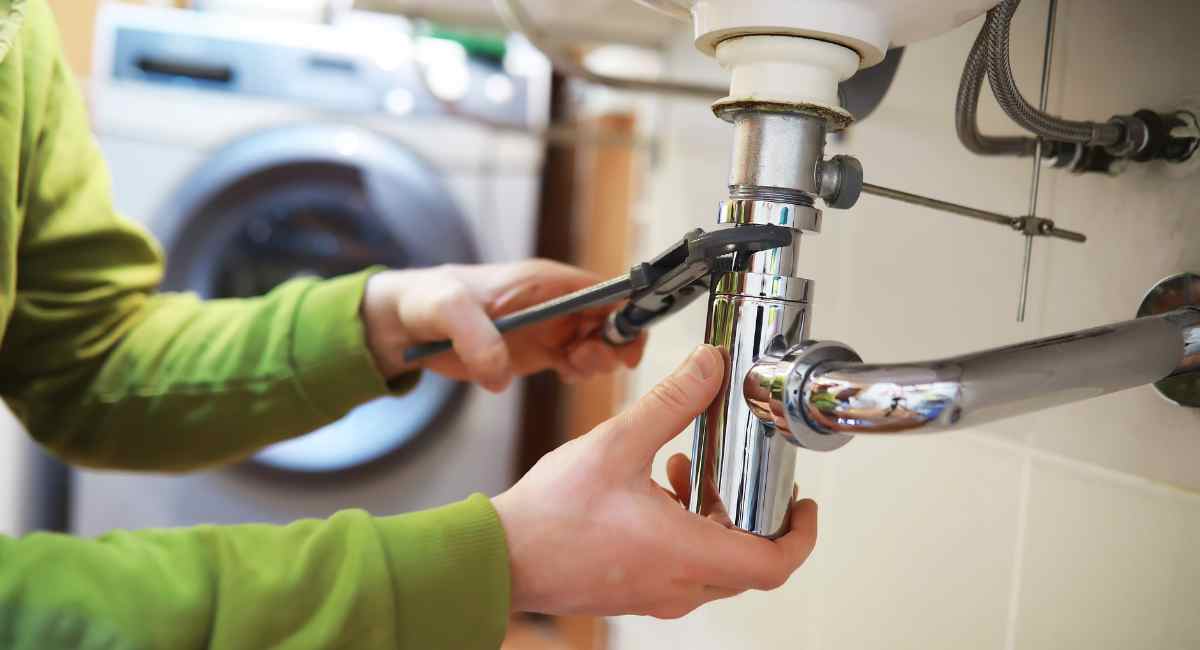

Plumbing, often regarded as a behind-the-scenes necessity, is one of the most integral components of modern homes. The system that delivers water, removes waste, and facilitates comfort is something many of us rarely think about until something goes awry. Yet, when functioning well, it works seamlessly, supporting our daily routines without fanfare. From the showers we enjoy in the morning to the toilets that ensure hygiene and the kitchens that serve as culinary hubs, plumbing touches nearly every aspect of life. Its importance cannot be overstated—not only for convenience and comfort but also for the safety, health, and efficiency of a household. In this article, we’ll delve into the key aspects of plumbing, explore its evolution, and highlight how homeowners can ensure their plumbing system continues to function efficiently.
The Core Functions of Plumbing: Water In, Waste Out
At its most basic, plumbing serves two essential functions: bringing fresh water into the home and removing waste. These functions are so vital to modern living that it’s difficult to imagine life without them. The intricate network of pipes, valves, and fixtures that make up a plumbing system enables us to do everything from brushing our teeth to cleaning our clothes.
The water supply system begins with a connection to the municipal water supply or a well, from which clean water is piped into the home. It travels through pipes—typically made of copper, PEX (cross-linked polyethylene), or PVC (polyvinyl chloride)—and reaches the various fixtures in the house. This could include faucets, showers, dishwashers, and washing machines. The system uses pressure to move the water through these pipes, making it accessible at any time for everyday tasks.
On the opposite end of the spectrum, the drainage system is responsible for removing waste and wastewater. This includes the removal of water from sinks, showers, toilets, and dishwashers. Gravity is often used to move waste downward through drain pipes, although pump systems are employed in areas where gravity cannot suffice. In addition to waste disposal, the plumbing system is also responsible for venting—ensuring that air pressure within the pipes remains balanced, which is crucial for the proper flow of wastewater.
The Evolution of Plumbing: From Ancient Civilizations to Modern Systems
The history of plumbing stretches back millennia, evolving from rudimentary systems to the sophisticated infrastructures we rely on today. Some of the earliest known examples of plumbing date back to ancient Mesopotamia and Egypt, where people devised rudimentary drainage systems using clay pipes and canals. However, it was the Romans who truly revolutionized plumbing, building vast aqueducts to supply their cities with water and creating public baths and latrines. They introduced a complex system of lead pipes, allowing water to flow into homes and public areas with impressive efficiency.
As civilization advanced, so did plumbing technology. The introduction of cast-iron pipes during the Industrial Revolution marked a significant improvement in water delivery and waste management. The 19th century saw the development of indoor plumbing, with widespread installation of water closets (toilets) and bathtubs, further enhancing the quality of life in homes and cities.
Today’s plumbing systems are more advanced than ever, made possible by innovations in materials, design, and technology. Cross-linked polyethylene (PEX) piping, for instance, is durable, flexible, and resistant to scale and chlorine, making it an ideal material for modern plumbing systems. Similarly, tankless water heaters and smart plumbing technologies are making homes more energy-efficient, eco-friendly, and technologically advanced.
The Importance of Plumbing Maintenance: Preventing Costly Problems
While plumbing systems are designed to last for decades, they are not impervious to issues. Plumbing problems, when left unchecked, can quickly escalate into expensive repairs and even property damage. The key to avoiding costly problems lies in proactive maintenance and timely intervention.
One of the most common plumbing issues homeowners face is clogged drains. Over time, debris, grease, hair, and soap scum can accumulate inside pipes, creating blockages that restrict the flow of water. Regularly cleaning drains and using preventative methods, like drain screens, can help reduce the likelihood of clogs. For more serious blockages, professionals may use specialized tools like hydro-jetting or snakes to clear the pipes.
Another common issue is leaky pipes. Even the smallest leak can cause significant water damage over time, not to mention lead to higher water bills. Leaks are often caused by corrosion, wear and tear, or faulty joints. Regular inspections can help identify signs of leakage, such as wet spots on walls or ceilings, and allow for prompt repair.
Water pressure problems can also indicate underlying plumbing issues. Low water pressure might be caused by a buildup of sediment in pipes, a hidden leak, or even a problem with the municipal water supply. Conversely, high water pressure can strain pipes and fixtures, leading to premature wear and damage. Installing a pressure regulator can help maintain optimal water pressure levels in the home.
One of the most significant plumbing issues, particularly in colder climates, is frozen pipes. Pipes that run through unheated areas of the home are vulnerable to freezing when the temperature drops significantly. When water freezes inside a pipe, it can expand, causing the pipe to burst and potentially flood the home. Proper insulation of pipes and taking precautions like letting faucets drip during extreme cold can help prevent this issue.
The Impact of Modern Plumbing on Sustainability
As environmental concerns continue to grow, plumbing has evolved to become more sustainable, integrating water-saving technologies and energy-efficient solutions. In modern homes, eco-friendly plumbing options are becoming increasingly popular, offering both financial and environmental benefits.
Low-flow fixtures are one of the easiest and most effective ways to reduce water consumption. Faucets, showerheads, and toilets designed to use less water without sacrificing performance can save significant amounts of water over time. For example, modern toilets use as little as 1.28 gallons per flush (compared to older models that use up to 3.5 gallons), contributing to substantial water conservation.
Tankless water heaters have also gained popularity for their energy efficiency. Traditional water heaters store and constantly heat large amounts of water, even when it’s not being used. Tankless water heaters, on the other hand, heat water on demand, eliminating standby energy loss. This not only saves energy but also ensures that hot water is always available without the need for a bulky tank.
Greywater recycling is another innovative plumbing practice gaining traction in sustainable home design. Greywater refers to water that has been used in sinks, showers, and laundry but is still safe for reuse in non-potable applications, such as irrigation or toilet flushing. Implementing a greywater system can help reduce the demand for fresh water, making homes more sustainable in the long run.
When to Call a Professional Plumber: Recognizing the Signs
While many plumbing issues can be managed by homeowners, there are certain situations that require the expertise of a professional plumber. Knowing when to call in a professional is crucial to avoid unnecessary damage and ensure that the problem is resolved correctly.
-
Multiple clogged drains: If several drains are clogged simultaneously, this may indicate a problem with the main sewer line, which requires professional inspection and cleaning.
-
Water heater issues: If your water heater is making strange noises, not producing enough hot water, or leaking, it’s time to call a plumber. Water heaters are complex systems that require specialized knowledge to repair or replace.
-
Burst pipes: A burst pipe is an emergency situation that requires immediate attention. Water can quickly flood a home, causing significant damage to floors, walls, and personal belongings.
-
Unexplained water pressure changes: If you experience sudden fluctuations in water pressure, it could signal an underlying issue, such as a leak or blockage in the system.
Conclusion
Plumbing, though often taken for granted, is undeniably one of the most important systems in any home. It ensures access to clean water, facilitates proper waste disposal, and supports the comfort and health of residents. From its historical roots in ancient civilizations to the cutting-edge technologies of modern systems, plumbing has evolved to meet the needs of contemporary life. For homeowners, understanding the basics of plumbing and maintaining a healthy system is essential not only to avoid costly repairs but also to enhance sustainability and energy efficiency. A well-maintained plumbing system is more than just a convenience—it’s an investment in the longevity, functionality, and overall well-being of a home.
Comments are closed.