
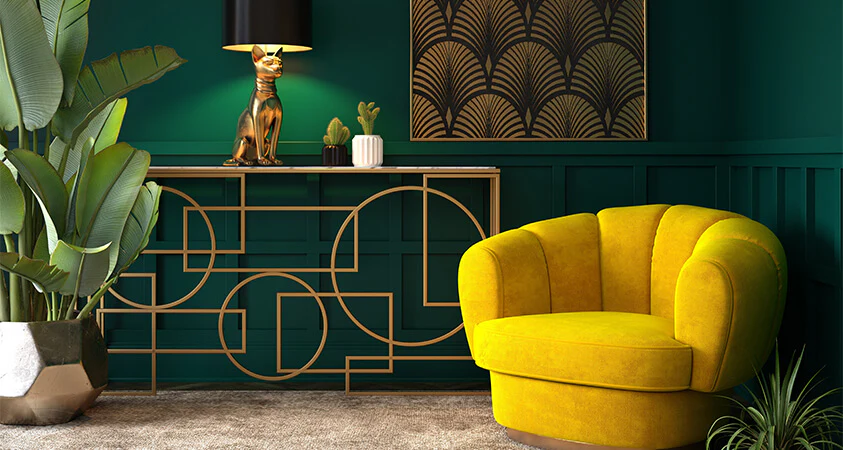

Furniture is often seen as the backbone of any living space, an essential blend of form and function that dictates both the aesthetic and practical aspects of a room. From the sleek lines of modern designs to the warm, intricate carvings of classic pieces, furniture is more than just something to sit on or store belongings in. It’s an integral part of our daily lives, shaping how we move through and interact with our environments. Whether you’re outfitting a single room or redesigning your entire home, choosing the right furniture involves a careful balance of comfort, style, and purpose. In this article, we’ll explore the multifaceted world of furniture, offering insights on how to select pieces that not only enhance your home’s design but also elevate its functionality and livability.
The Function of Furniture: More Than Just a Seat
At its core, furniture serves a simple purpose: to provide comfort and functionality. A chair offers a place to sit, a table gives you a surface to eat or work on, and a bed provides rest and rejuvenation. But these functional roles only scratch the surface of what furniture can achieve. The right piece can transform a room, evoke emotions, and reflect personal taste and lifestyle.
One of the fundamental aspects of furniture is its ability to adapt to the needs of those who use it. In a living room, a sofa might need to accommodate family movie nights, while in a home office, a chair must offer support for long hours of work. Similarly, a dining table might serve as the center for family meals, entertaining guests, and even doing homework. The function of furniture isn’t just about its immediate utility—it’s about how it can support the rhythm of daily life.
Aesthetic Considerations: The Role of Style in Furniture Selection
While furniture is primarily functional, it’s also an opportunity for self-expression and creativity. The design of your furniture can significantly influence the mood and ambiance of a room. Whether you favor minimalist, industrial, or vintage styles, the furniture you choose will communicate your aesthetic preferences and bring a certain character to your space.
Contemporary and Modern styles emphasize clean lines, neutral colors, and functional forms. Think of a mid-century modern sofa with wooden legs, or a sleek, glass coffee table with minimalistic décor. These pieces exude sophistication, often with an understated elegance that works well in open-concept spaces. Industrial furniture, on the other hand, draws inspiration from factories and warehouses, often featuring raw materials like metal, steel, and distressed wood, creating a rustic yet chic atmosphere.
For those with a love for history, traditional or vintage furniture brings timeless beauty into a home. Ornate detailing, elegant curves, and rich, polished wood add a sense of grandeur. These pieces can bring a sense of warmth and familiarity to a room, evoking a classic charm that’s never out of style.
The rise of sustainable design has also had a profound impact on furniture, with more designers focusing on eco-friendly materials and production methods. Whether it’s using reclaimed wood, low-VOC finishes, or supporting artisans who craft sustainable furniture by hand, today’s conscious consumer is looking for pieces that not only enhance the home’s aesthetic but also align with personal values.
Materials Matter: The Science Behind the Selection
When selecting furniture, the material it’s made from plays a significant role in both its appearance and longevity. Materials influence the texture, color, and durability of the piece, and can even affect the overall health and safety of the home. Understanding the properties of different materials is essential to making informed choices.
Wood remains one of the most beloved materials for furniture. It brings a natural warmth and richness to a room, and with proper care, it can last for generations. Hardwoods like oak, maple, and cherry are prized for their strength and durability, while softer woods like pine are easier to work with but may show wear over time. For those looking for a more budget-friendly option, engineered woods like plywood and MDF (medium-density fiberboard) are often used in furniture construction, offering a more affordable yet functional solution.
Metal is another common material, especially in industrial or contemporary designs. Steel, iron, and aluminum are all durable and versatile, providing a sleek, modern look. Metal furniture often has a minimalist appeal, and its durability makes it a good choice for pieces that need to endure heavy use, such as office chairs or outdoor furniture.
Upholstery fabrics add texture and color to furniture while also influencing comfort. Leather is a classic choice for seating, offering sophistication and durability, though it can be expensive and may require maintenance over time. Fabric upholstery offers a wider range of colors and patterns, allowing for greater customization. Materials like linen, cotton, and velvet each have distinct feels and qualities, from the cool, crisp texture of linen to the rich, plush nature of velvet. Synthetic fabrics like polyester and microfiber are also popular for their easy maintenance and resistance to stains.
Sustainability is also becoming increasingly important in the furniture industry. Reclaimed and recycled materials are gaining popularity, not only for their eco-friendliness but also for the unique character they bring to each piece. Vintage furniture, made from materials that have already stood the test of time, is a popular option for homeowners seeking sustainable and one-of-a-kind pieces.
Balancing Comfort and Function: The Perfect Harmony
While the visual appeal of furniture is undoubtedly important, comfort and functionality should never be compromised. A comfortable sofa is essential for those long, relaxing evenings spent with family or friends, while an ergonomic office chair can make all the difference in promoting proper posture and productivity during long workdays. When selecting furniture, it’s crucial to consider how it will be used and who will be using it.
For seating options, consider the seating depth and cushion firmness. Sofas that are too deep may cause discomfort for shorter individuals, while overly firm cushions can be uncomfortable for prolonged sitting. Reclining chairs or sectional sofas are great for those who enjoy lounging, while armchairs or accent chairs can serve as both functional and decorative pieces, enhancing the aesthetic without sacrificing comfort.
In dining areas, the choice of a table and chairs should cater to both style and practicality. A round table is often more conducive to conversation and works well in smaller spaces, while a rectangular table can be ideal for larger families or those who host dinner parties. When choosing dining chairs, comfort is key, especially if the table is used for extended meals or gatherings. Look for chairs with adequate back support and cushioning for added comfort.
Storage furniture is another essential consideration. Cabinets, shelves, and dressers provide not only storage space but also contribute to the overall organization and cleanliness of a home. Customizable pieces, such as modular shelving units, allow for flexibility in how space is used, making them a popular choice for homes of all sizes. Additionally, multi-functional furniture—like ottomans with hidden storage or beds with built-in drawers—can help maximize space in smaller rooms.
The Final Touches: Accessories and Personalization
Once you’ve selected the foundational pieces of your furniture, it’s time to layer in accessories that personalize the space. Throw pillows, area rugs, and decorative trays can add pops of color and texture, while artwork and lighting fixtures can serve as focal points that elevate the overall design. Personalized touches, such as family heirlooms or handmade items, infuse warmth and individuality into the room.
Conclusion
Furniture is the cornerstone of any home, bridging the gap between functionality and style. From the materials and craftsmanship to the comfort and aesthetic appeal, each piece plays an integral role in shaping the space. Whether you’re curating a contemporary, minimalist home or designing a cozy, traditional living room, the furniture you choose will not only define the style of the room but also influence how you interact with the space. By understanding the balance between form, function, and style, you can create a home that is as beautiful as it is practical, offering a sanctuary of comfort and a true reflection of your personal taste. The art of furniture lies in crafting spaces that are both visually appealing and conducive to the way we live.
Comments are closed.