
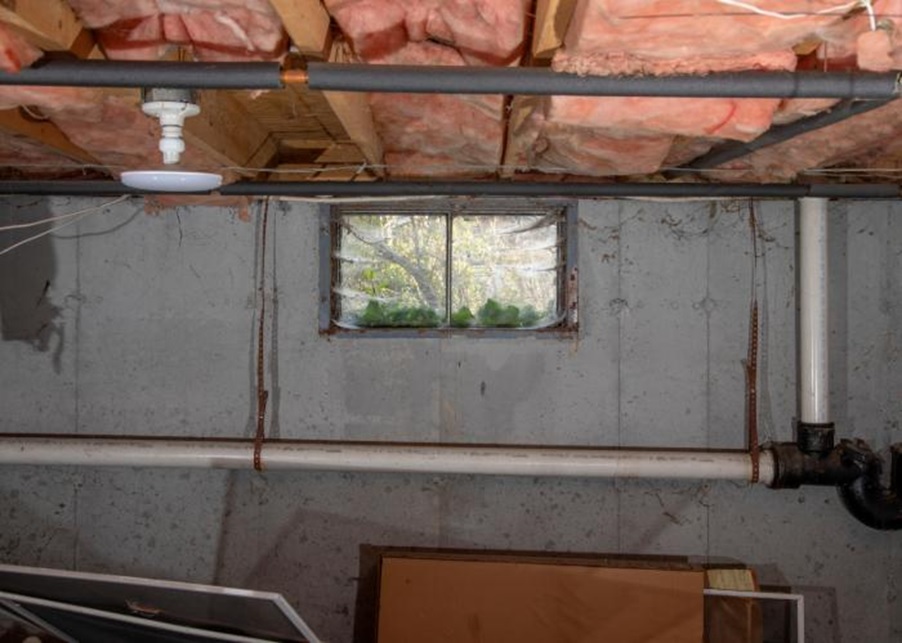

Water in a basement does not always appear where it first entered. A damp line at the bottom of a wall, moisture beneath a window, a wet floor after heavy rain, or a musty corner may each point toward a different part of the property. The location and timing of the moisture provide useful clues before any repair begins.
Professional basement services in Troy start by looking at those patterns instead of treating every wet basement the same way. Foundation walls, floor joints, windows, exterior grading, downspouts, cracks, and drainage conditions all deserve attention. Following the visible signs makes it easier to understand which area needs a closer look.
Water Along the Bottom of a Wall Deserves Attention
Moisture appearing where a basement wall meets the floor often raises questions about water movement around the foundation. The wall-floor joint sits low in the structure, so water pressure in surrounding soil or drainage problems outside may become noticeable there.
Look at when the dampness appears. A wet line that develops after several hours of rain provides different information from moisture that remains present during long dry periods. Mineral deposits or older staining may also show that the area has experienced repeated exposure rather than one isolated event.
Photographs taken after different storms create a useful timeline. They also make it easier to compare how far the moisture spreads and how quickly the area dries afterward.
Window Areas Have Their Own Water Paths
Basement windows interrupt the foundation wall and introduce additional joints, frames, and exterior window wells. Water appearing below a window should therefore prompt a closer look at the opening itself and the conditions immediately outside it.
Debris inside a window well may interfere with drainage. Soil or landscaping may also direct runoff toward the opening. Aging materials around the frame provide another possible entry point.
Steadfast Foundation Repair Troy currently lists basement leak repair, waterproofing, foundation work, drainage services, and sump pump installation among its services. For more information about local basement and foundation work, click here.
Cracks Provide a Route Worth Following
A basement wall crack becomes especially important when its appearance changes after rain. Dampness, discoloration, white mineral deposits, or water moving through the crack give more information than the crack alone.
The shape and location matter too. A narrow vertical crack presents a different pattern from horizontal cracking or a widening section of wall. Movement and moisture may also occur together, so the surrounding surface deserves inspection rather than focusing on sealing the visible line immediately.
Steadfast Foundation Repair Troy states that its basement leak service begins by looking at the entry area and nearby conditions. Its foundation services also include crack repair and basement foundation repair for walls showing movement or widening cracks.
A Wet Floor Does Not Always Point to the Same Source
Water appearing across the basement floor may enter from several directions. It may move in from the perimeter, travel across the slab from another location, relate to groundwater conditions, or come from an interior plumbing or appliance leak.
The timing provides useful clues. Moisture that appears only after heavy rain points toward a different investigation than a puddle forming beside a water heater on a clear day.
Before planning basement services in Troy, look at where the wet area begins rather than only where the water eventually spreads. The first damp section often provides better information than the largest puddle.
Outside Drainage Belongs in the Basement Conversation
Some basement water problems begin well before moisture reaches the interior wall. Rain falls on the roof, travels through gutters and downspouts, and eventually reaches the soil surrounding the foundation.
Where that water goes next matters. A downspout that empties close to the house, a low area beside one wall, or soil sloping toward the foundation may place more water against below-grade materials.
The U.S. Department of Energy explains that water management around foundations and basements should account for rain and stormwater runoff, groundwater, moist air, water vapor, and interior leaks. The source also notes that moisture issues should be evaluated before basement insulation or other materials hide the foundation walls.
Gutters and Downspouts Affect What Happens Below Grade
A roof collects a surprising amount of water during heavy rain. That runoff needs a path away from the foundation once it reaches the gutters.
The Department of Energy also notes that poorly managed roof runoff may saturate soil around a building and contribute to moisture reaching the foundation. Proper grading, gutters, downspouts, and drainage systems work together to move water away from the structure.
Walk around the house after a storm and look at where each downspout empties. Notice areas where water pools, soil has eroded, or the ground stays wet longer than surrounding sections. Those observations add useful context when basement moisture appears near the same side of the house.
Musty Areas May Appear Before Visible Water
A basement does not need a standing puddle to show signs of excess moisture. A musty smell, peeling coating, discoloration, or white mineral residue may appear before obvious water becomes visible.
Pay attention to where those changes occur. A musty corner beside an exterior wall deserves a different inspection from an odor concentrated near plumbing or mechanical equipment.
Moving stored boxes and furniture away from the wall may reveal conditions that have been hidden for months. Basement storage often prevents people from noticing small changes until the affected area becomes much larger.
Bowed Walls Need More Than Waterproofing
Moisture and structural movement sometimes appear in the same area, but they are not the same problem. A wall that bows inward, leans, or develops widening horizontal cracks deserves structural evaluation rather than a surface moisture treatment alone.
Steadfast Foundation Repair Troy lists basement foundation repair for walls showing inward movement or widening cracks. The company states that the repair approach depends on the wall material, layout, and visible conditions.
This distinction matters when selecting basement services in Troy. Waterproofing may relate to water entry, while wall stabilization or foundation work responds to structural movement. Looking at the complete condition prevents one symptom from overshadowing another.
Sump Pump Activity Provides Useful Information
A sump pump offers another clue about how much water reaches the area around a basement. A pump that begins operating much more frequently than usual deserves attention, particularly if that change happens alongside new dampness or drainage concerns.
The discharge route matters too. Water leaving the sump should move away from the foundation rather than return to soil immediately beside the house.
If a basement has no sump system and repeatedly experiences water problems, the larger drainage setup deserves evaluation before a pump is treated as the automatic answer. The source and path of the water should guide the discussion.
Snowmelt Creates a Different Moisture Pattern
Troy basements experience seasonal conditions beyond summer storms. Snow and frozen ground introduce another set of water-management challenges when temperatures begin rising.
Melting snow may place large amounts of moisture into soil over a relatively short period. Frozen or saturated ground may also affect how quickly that water moves away from the foundation.
Keep notes about when basement moisture appears during the year. A problem limited to spring thaw presents a different pattern from dampness that follows every summer storm or remains present through dry weather.
Interior Plumbing Should Not Be Overlooked
Not every basement water problem begins outdoors. Water heaters, utility sinks, washing machines, plumbing lines, and HVAC equipment may all introduce moisture inside the basement.
Before assuming foundation trouble, look at what sits close to the damp area. Check for visible dripping, staining beneath pipes, or moisture concentrated around mechanical equipment.
This step is especially important when water appears during dry weather. The foundation may be completely unrelated to the source.
Following the water backward gives a clearer picture than choosing a repair based only on the fact that the basement is wet.
Previous Repairs Add Useful History
Old crack patches, waterproof coatings, drainage improvements, or sump equipment show where previous owners focused their attention.
Look at how those areas appear today. A patched crack that remains dry provides different information from one showing fresh staining around the repair. A waterproofed wall with new moisture at the bottom may also deserve another evaluation.
Keep any available invoices, photographs, warranties, or contractor notes. Once several repairs have taken place over the years, those records make the history much easier to understand.
Do Not Hide Moisture Before Understanding It
Finishing materials make basements more comfortable, but they also cover the surfaces that reveal water patterns.
Drywall, insulation, flooring, paneling, and built-in storage may hide staining, cracks, or dampness once installed. If moisture is already present, investigate it before covering the area.
The same principle applies to fresh paint or waterproof coatings. A cleaner-looking wall is useful only after the reason for recurring moisture has been considered.
During basement services in Troy, visible conditions provide valuable information. Leaving questionable areas accessible until they have been evaluated gives the contractor more clues to work with.
Follow the Pattern Before Choosing the Work
A wet basement does not automatically point toward one repair. The appropriate service depends on where the water appears, when it develops, what is happening outside, and what condition the surrounding foundation is in.
One property may need crack repair. Another may benefit from drainage work or waterproofing. A basement wall showing structural movement creates a different conversation from one dealing only with water entry.
The strongest repair plan begins with the conditions that are actually present rather than starting with a predetermined service.
Let the Water Show You Where to Look
Basement moisture leaves clues. A damp wall-floor joint, wet window area, leaking crack, active sump pump, musty corner, or puddle after a storm all provide information about where the investigation should begin.
Looking at those signs alongside grading, gutters, downspouts, foundation walls, drainage, and seasonal weather creates a more complete picture of the basement.
If water, wall cracks, or other basement changes keep returning, contact Steadfast Foundation Repair Troy to discuss basement leak repair, waterproofing, foundation work, drainage services, sump pump installation, and the conditions affecting your property.