
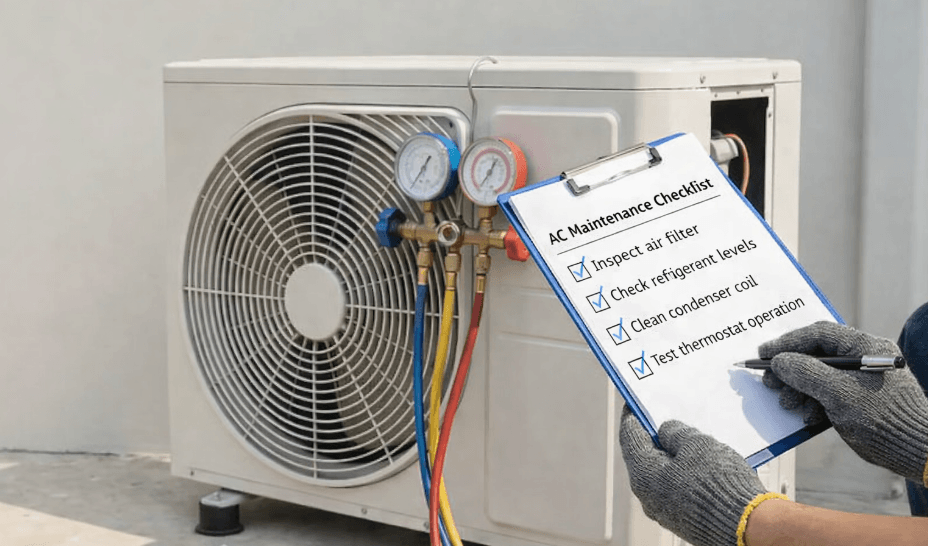

When homeowners start planning upgrades, they often focus on kitchens, bathrooms, flooring, or landscaping. While these projects can improve the appearance and value of a home, one of the most important systems is often overlooked: the HVAC system. Heating and cooling equipment plays a major role in your home’s comfort, energy efficiency, and long-term operating costs.
Whether you’re remodeling a single room or renovating your entire property, it’s worth considering how your heating and cooling system fits into the bigger picture. If your current equipment is outdated or struggling to meet your home’s needs, investing in HVAC installation in Sacramento, CA during your renovation can save time, reduce future expenses, and improve year-round comfort.
Why Your HVAC System Deserves Attention
Many homeowners don’t think about their HVAC system until something stops working. However, renovations often change how a home performs. Adding square footage, replacing windows, improving insulation, or changing the layout can all affect heating and cooling requirements.
A system that worked well years ago may no longer be properly sized or efficient after significant upgrades. Evaluating your HVAC system during the planning stage helps ensure your investment in other home improvements delivers the best possible results.
Instead of treating heating and cooling as an afterthought, make it part of your overall renovation strategy.
Better Energy Efficiency Starts with the Right Equipment
Energy efficiency has become a priority for many homeowners, and for good reason. Heating and cooling account for a significant portion of household energy use, making HVAC one of the biggest opportunities for reducing monthly utility bills.
Modern HVAC systems are designed with advanced technology that helps maintain consistent indoor temperatures while consuming less energy. Features such as variable-speed motors, high-efficiency compressors, and smart thermostats allow systems to adjust output based on your home’s actual needs rather than running at full capacity all the time.
When paired with other energy-efficient upgrades like improved insulation and sealed ductwork, a modern HVAC system can significantly improve overall home performance.
Improve Indoor Comfort Throughout the Year
An aging HVAC system often struggles to provide even temperatures throughout the home. Some rooms may feel too warm during the summer, while others remain chilly during the winter.
During a renovation, contractors have better access to ductwork and mechanical spaces, making it easier to address airflow problems that may have existed for years. This is also an ideal opportunity to upgrade vents, replace damaged ducts, or redesign airflow for improved comfort.
The result is a home that maintains more consistent temperatures regardless of the season.
Healthier Indoor Air Quality
Comfort isn’t just about temperature. Indoor air quality also plays an important role in creating a healthy living environment.
Modern HVAC systems can support improved filtration, humidity control, and ventilation. These features help reduce dust, pollen, pet dander, and other airborne particles that circulate throughout the home.
If your renovation includes new flooring, paint, cabinetry, or other building materials, proper ventilation becomes even more important. A well-designed HVAC system helps remove indoor pollutants while maintaining fresh, comfortable air inside your home.
Avoid Costly Future Renovations
Replacing an HVAC system after completing a major remodel can become far more expensive than addressing it during construction.
Finished walls, ceilings, flooring, and cabinetry may need to be opened or removed if ductwork or equipment requires replacement later. Scheduling HVAC improvements alongside your renovation allows contractors to complete the work with less disruption and potentially lower labor costs.
Planning ahead also helps coordinate electrical work, insulation upgrades, and mechanical installations more efficiently.
Increase Your Home’s Value
Homebuyers increasingly pay attention to more than cosmetic upgrades. Energy-efficient mechanical systems have become an attractive selling feature, particularly as utility costs continue to rise.
A newer HVAC system signals that a home has been well maintained and may reduce the likelihood of unexpected repair expenses for future owners. Combined with updated interiors and modern finishes, an efficient heating and cooling system can make your property more competitive in today’s real estate market.
While every improvement contributes differently to resale value, buyers often appreciate homes that offer both beauty and long-term functionality.
Smart Technology Adds Everyday Convenience
Today’s HVAC systems offer much more than simple temperature control.
Many homeowners choose programmable or smart thermostats that allow them to adjust settings remotely using a smartphone. Some systems even learn occupancy patterns and automatically optimize heating and cooling schedules to improve efficiency without sacrificing comfort.
These technologies not only simplify daily living but also help homeowners monitor energy usage and identify opportunities for additional savings.
Know When It’s Time to Upgrade
Not every home requires a brand-new HVAC system during a renovation, but there are several signs that an upgrade may be worthwhile:
- Your current system is 15 to 20 years old.
- Utility bills have steadily increased.
- Certain rooms never feel comfortable.
- Frequent repairs are becoming more expensive.
- Your renovation significantly changes your home’s size or layout.
- The system struggles to maintain consistent temperatures.
If several of these apply, discussing replacement options before construction begins can help avoid unnecessary complications later.
Planning Makes the Difference
Every home is unique, which means HVAC planning should be tailored to the property’s size, layout, insulation, and climate. Working with qualified professionals early in the renovation process allows homeowners to properly size equipment, evaluate ductwork, and ensure the entire system supports the improvements being made throughout the house.
Rather than viewing HVAC as a separate project, think of it as an essential part of creating a comfortable, efficient, and future-ready home.
Final Thoughts
A successful home upgrade is about more than attractive finishes and stylish design. Behind every beautiful renovation should be systems that support everyday comfort, efficiency, and reliability.
By evaluating your HVAC system before construction begins, you can avoid future disruptions, reduce energy costs, improve indoor air quality, and create a more comfortable living environment for years to come. Whether you’re making small improvements or undertaking a complete remodel, giving your heating and cooling system the attention it deserves is an investment that pays off long after the renovation is finished.
Comments are closed.