
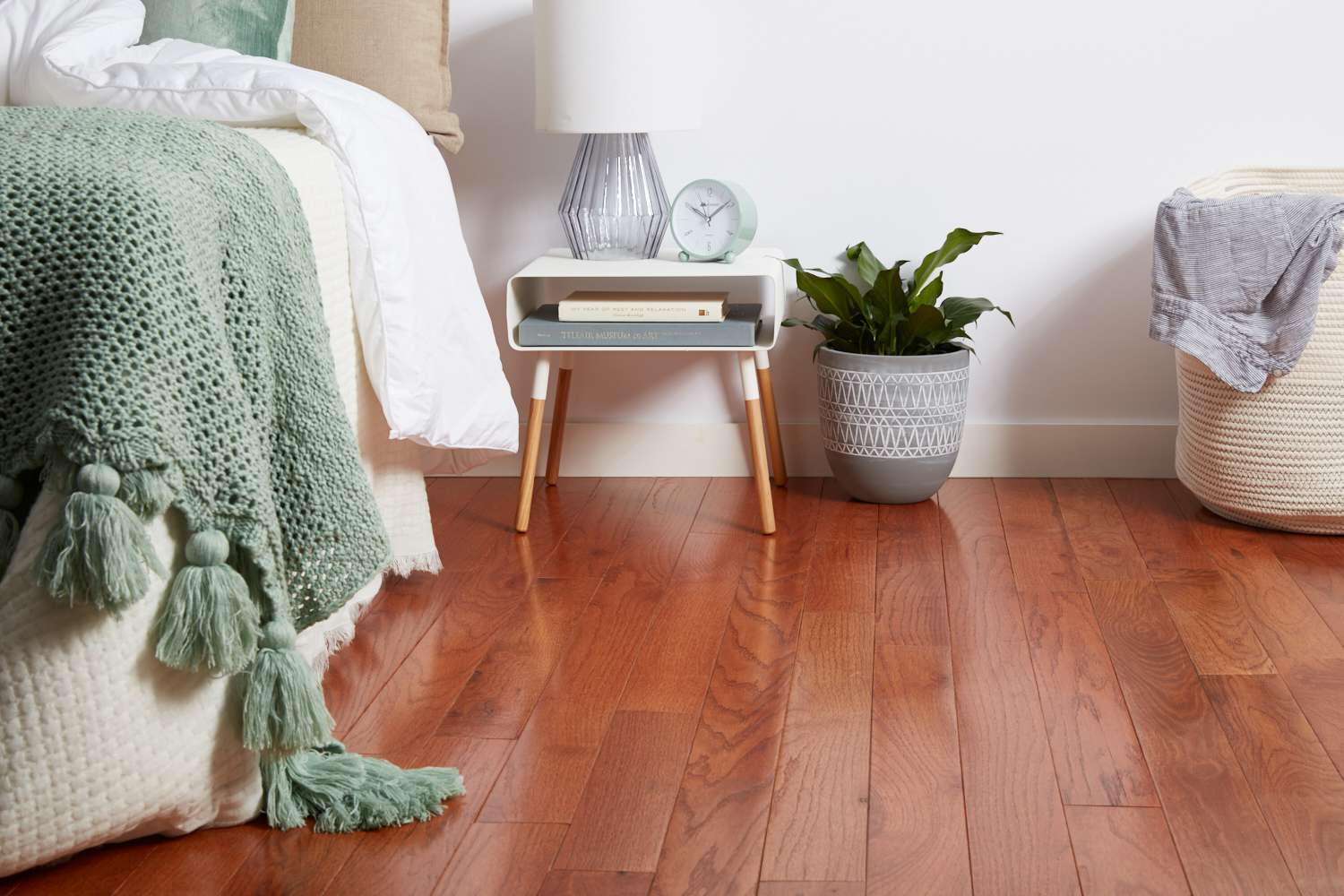

Flooring plays a pivotal role in the overall aesthetic and functionality of any space. While often overlooked in the design process, the choice of flooring is one of the most significant decisions a homeowner can make. It sets the foundation for the entire room, impacting both its visual appeal and the way it performs under everyday use. Whether you’re renovating a single room or outfitting an entire home, selecting the right flooring requires careful consideration of style, material, durability, and maintenance. In this article, we’ll explore the various types of flooring available, the benefits of each, and the factors to consider when choosing the perfect flooring for your home.
Understanding the Importance of Flooring
The floor is more than just a surface to walk on. It’s the foundation of the room, setting the tone for the space and influencing everything from lighting to furniture placement. The right flooring can create warmth and texture, enhance natural light, and provide the right balance of style and practicality. Conversely, the wrong choice of flooring can make a space feel cold, cramped, or uninviting.
In addition to aesthetics, flooring plays a crucial role in functionality. High-traffic areas like hallways and kitchens require durable, easy-to-maintain flooring, while living rooms and bedrooms might prioritize comfort and warmth. Flooring also needs to align with the lifestyle of those who will use the space. Families with young children may prioritize safety and easy cleaning, while pet owners might need materials that can withstand scratches and stains.
Types of Flooring: Pros and Cons
With so many options on the market, choosing the right flooring can feel overwhelming. Here, we’ll examine some of the most popular flooring types, along with their unique benefits and potential drawbacks.
1. Hardwood Flooring: Timeless Elegance
Hardwood flooring is a classic choice that exudes timeless beauty and elegance. It adds warmth and sophistication to any room, making it ideal for living rooms, dining areas, and bedrooms. The natural variations in wood grain ensure that each plank is unique, adding character and richness to the space.
Pros:
-
Aesthetic appeal: Hardwood floors have a classic, high-end look that complements a variety of interior styles, from traditional to modern.
-
Durability: Well-maintained hardwood floors can last for decades, often improving with age as they develop a natural patina.
-
Easy to clean: Dust, dirt, and debris can be easily swept or vacuumed, making it a low-maintenance flooring option.
-
Adds value: Hardwood floors are known to increase the resale value of a home.
Cons:
-
Cost: Hardwood floors are among the more expensive flooring options, both in terms of material and installation.
-
Vulnerability to moisture: Wood is susceptible to damage from water, making it less suitable for bathrooms or basements without proper precautions.
-
Scratching and denting: While durable, hardwood floors can scratch or dent from heavy furniture or pet claws.
2. Tile Flooring: Versatile and Durable
Tile flooring is incredibly versatile, available in materials such as ceramic, porcelain, and natural stone. Whether you’re looking for a sleek, modern look or a more traditional style, tile can accommodate a wide range of design preferences. It’s an excellent choice for high-moisture areas like bathrooms, kitchens, and entryways, as it’s resistant to water and stains.
Pros:
-
Durability: Tiles are highly resistant to wear and tear, making them ideal for high-traffic areas. They’re also fire-resistant, adding an extra layer of safety to your home.
-
Water-resistant: Tile is the go-to flooring option for bathrooms, kitchens, and basements due to its ability to withstand moisture without warping or staining.
-
Variety: Available in a wide range of styles, colors, and textures, tile can be customized to suit any décor.
-
Low maintenance: Tiles are easy to clean with regular sweeping and mopping, and grout lines can be sealed to prevent staining.
Cons:
-
Cold and hard underfoot: Tile can be uncomfortable to walk on for extended periods, especially in colder climates. It may require area rugs or heated floors for added comfort.
-
Installation: Laying tile requires skill and precision, making installation labor-intensive and costly.
-
Slippery when wet: Some tile surfaces can become slippery when wet, creating a potential safety hazard.
3. Vinyl Flooring: Affordable and Resilient
Vinyl flooring has evolved significantly over the years, offering a durable, affordable alternative to hardwood and tile. Modern vinyl can mimic the appearance of natural materials like wood, stone, or marble, while providing added durability and comfort. It’s a popular choice for kitchens, bathrooms, and laundry rooms due to its water resistance.
Pros:
-
Affordable: Vinyl is one of the most budget-friendly flooring options, making it an excellent choice for homeowners looking to upgrade their space without breaking the bank.
-
Waterproof: Unlike hardwood, vinyl is completely waterproof, making it an ideal choice for moisture-prone areas like kitchens and bathrooms.
-
Easy maintenance: Vinyl is simple to clean and requires minimal upkeep, making it a great option for busy households.
-
Comfortable underfoot: Vinyl flooring is softer and warmer than tile, providing a more comfortable walking surface.
Cons:
-
Not as durable as wood or tile: While vinyl is resilient, it can be prone to scratching or denting, especially with heavy furniture or sharp objects.
-
Lacks the authenticity of natural materials: While modern vinyl can mimic the look of wood or stone, it may not achieve the same level of authenticity as the real materials.
-
Environmental concerns: Vinyl is made from synthetic materials, which may not appeal to those seeking eco-friendly options.
4. Carpet Flooring: Soft and Cozy
Carpet remains a popular choice for bedrooms, living rooms, and family rooms due to its warmth and comfort. It adds a sense of coziness to a space, making it an excellent choice for areas where relaxation and comfort are a priority. Available in a wide range of colors, textures, and pile heights, carpet offers versatility in terms of design.
Pros:
-
Comfort: Carpet provides a soft, cushioned surface that’s easy on the feet, making it ideal for bedrooms and areas where you spend a lot of time sitting or lying down.
-
Insulation: Carpet helps with sound absorption and can act as an insulator, helping to retain warmth in colder months.
-
Variety: Available in countless colors, textures, and patterns, carpet offers endless design possibilities.
Cons:
-
Maintenance: Carpet requires regular cleaning and vacuuming, and it’s more prone to stains, especially in high-traffic areas. Spills and dirt can get trapped in the fibers, requiring more frequent deep cleaning.
-
Allergies: Carpet can trap dust, pet dander, and allergens, making it a less ideal choice for individuals with respiratory issues.
-
Durability: Carpet tends to wear out more quickly than other flooring materials, particularly in high-traffic areas.
5. Bamboo Flooring: Sustainable and Stylish
Bamboo flooring is an eco-friendly alternative to traditional hardwood. Made from the fast-growing bamboo plant, it offers a sustainable solution for those looking to reduce their environmental footprint without sacrificing style. Bamboo is available in a variety of finishes, from light natural tones to darker stained options.
Pros:
-
Eco-friendly: Bamboo is a renewable resource that grows much faster than hardwood, making it a sustainable option for environmentally conscious homeowners.
-
Durability: Bamboo is surprisingly durable, often as strong as hardwood, and resistant to wear and tear.
-
Stylish: Bamboo offers a modern, sleek appearance that complements contemporary design.
Cons:
-
Vulnerability to moisture: Like hardwood, bamboo can warp or swell when exposed to moisture, making it less suitable for bathrooms or basements.
-
Scratching: Bamboo can be susceptible to scratches from heavy furniture or pet claws, especially in high-traffic areas.
Factors to Consider When Choosing Flooring
When selecting flooring, several factors need to be considered beyond aesthetics and cost. These include:
-
Lifestyle: If you have young children, pets, or live in a high-traffic area, you’ll need flooring that’s durable and easy to maintain.
-
Climate: In colder climates, warm, insulating materials like carpet or cork may be preferred, while tile or stone may be better suited for warmer climates.
-
Room function: Different rooms require different flooring. High-moisture areas like bathrooms and kitchens need water-resistant flooring, while living rooms and bedrooms prioritize comfort and style.
-
Maintenance: Some flooring options require more maintenance than others. Consider how much time and effort you’re willing to dedicate to keeping your floors in top condition.
Conclusion
Flooring is more than just a practical consideration—it’s a design choice that can elevate the overall aesthetic of your home. From the timeless appeal of hardwood to the versatility of tile and the affordability of vinyl, there’s a flooring material to suit every taste, budget, and lifestyle. By carefully considering the factors that matter most to you—whether it’s durability, style, or ease of maintenance—you can create a space that’s not only beautiful but functional. Whatever flooring option you choose, remember that it forms the foundation of your home’s design, setting the tone for the entire space.
Comments are closed.