
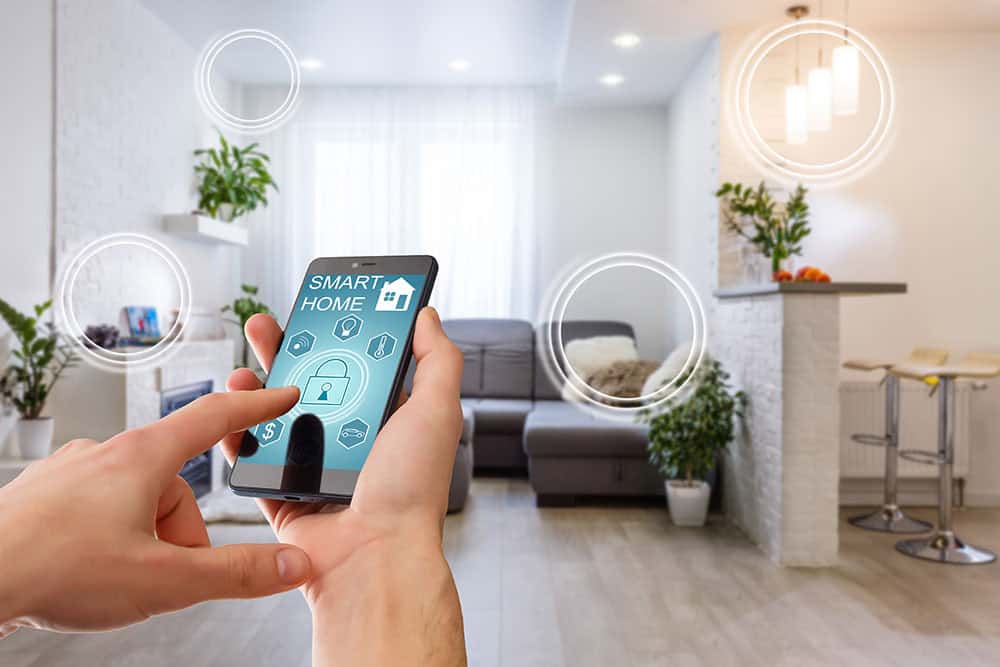

The concept of the smart home has graduated from a futuristic novelty into an essential framework for modern residential living. Early smart home setups were notoriously fragmented, requiring homeowners to navigate a confusing maze of proprietary mobile applications, unreliable wireless bridges, and unpredictable voice commands. Today, the landscape is entirely different. The industry has standardized its communication frameworks, making the integration of high-tech devices smoother, faster, and more reliable than ever before.
When considering residential technology upgrades, the goal is to look beyond basic standalone hardware. True home automation focuses on creating an interconnected ecosystem where your climate control, security apparatus, lighting networks, and utility infrastructure communicate effortlessly with one another. Incorporating the latest smart home equipment allows you to elevate your daily convenience, optimize your domestic energy conservation, and fortify your home defense systems.
The Matter Standard and Unified Control Hubs
Before exploring individual hardware upgrades, it is vital to understand the technological backbone making modern automation possible. The widespread adoption of Matter, a universal open-source connectivity standard created jointly by the world’s largest tech companies, has eliminated old compatibility barriers. Devices built on the Matter protocol work natively across different assistant platforms, meaning you are no longer forced to choose devices based strictly on whether they support one specific ecosystem over another.
To manage this newly unified network, installing a dedicated, wall-mounted touch control center or an advanced smart display is an excellent foundation. These hardwired displays act as the central brain of your living space. They feature presence-sensing radar chips that wake up the screen automatically as you approach, providing an immediate visual map of your floor plan. From a single interface, you can manage complex automated macros, adjust multi-room audio levels, and monitor active security camera feeds without reaching for your phone.
Next-Generation Security and Entry Automation
Home security systems have evolved from simple passive monitoring devices into proactive threat detection platforms driven by local edge processing chips.
Advanced AI-Driven Exterior Cameras
Traditional security cameras rely heavily on motion detection, resulting in a constant barrage of annoying false notifications triggered by passing vehicles, blowing tree branches, or neighborhood animals. The latest generation of outdoor cameras features on-device artificial intelligence engines capable of accurately identifying specific subjects.
-
These cameras can distinguish between a family member, an unfamiliar person, a delivery vehicle, or a package left on your porch.
-
Many premium models utilize dual lenses to provide a wide-angle overview alongside a high-magnification tracking lens that zooms in automatically on moving subjects.
-
Rather than recording poor, grainy night vision footage, they employ sensitive sensors that absorb minimal ambient light to deliver full-color video in near-total darkness.
Biometric and Thread-Enabled Smart Locks
The physical points of entry to your home require robust, convenient protection. Modern smart locks utilize Thread network technology, a low-power, self-healing mesh networking system that reacts instantly to commands without relying on slow Wi-Fi handshakes. These locks offer biometric fingerprint identification, allowing you to unlock your front door in under a fraction of a second simply by touching the exterior handle. They also feature advanced geofencing capabilities that detect the secure cryptographic token of your smartphone as you walk up the driveway, unlocking the door automatically when your hands are full of groceries.
Advanced Climate Systems and Energy Management
With utility costs fluctuating unpredictably, upgrading your home’s environmental management controls is an investment that pays direct dividends through reduced energy consumption.
Predictive Smart Thermostats
Modern smart thermostats look beyond basic indoor air temperature readings. They connect directly to hyper-local weather forecasting networks and monitor humidity sensors both inside and outside the home. By analyzing how quickly your specific house loses or absorbs heat, the internal processor constructs a predictive heating and cooling curve. The system learns to pre-cool your home right before a midday summer heatwave hits or utilize variable-speed heat pump controls to maintain perfect comfort using the absolute minimum wattage necessary.
Intelligent Micro-Zoning Smart Vents
A common flaw in standard residential HVAC designs is uneven temperature distribution, leaving upstairs bedrooms stiflingly hot while basements remain freezing cold. Installing automated smart vents allows you to create a precise micro-zone climate control system without remodeling your ductwork. These battery-powered vents communicate wirelessly with small temperature sensors placed in individual rooms. When a specific room reaches its ideal programmed target, the corresponding vents adjust their louvers dynamically to redirect the airflow to zones that still require conditioning, maximizing equipment efficiency.
Adaptive Circadian Lighting and Motorized Shades
Lighting directly influences human biology, affecting your productivity, mood, and natural sleep cycles. Modern smart lighting systems have shifted focus from simple remote on-off switches to holistic wellness platforms.
By installing intelligent LED light switches and dimmers that support circadian adaptation, your home’s artificial lighting mimics the natural spectrum of the sun throughout the day. In the early morning hours, the bulbs emit a bright, crisp blue-toned light that helps suppress melatonin production, leaving you feeling alert and focused. As evening approaches, the system transitions smoothly into warm, amber hues entirely free of blue light spectrums, signaling to your body that it is time to wind down for restful sleep.
This internal lighting choreography pairs beautifully with automated motorized window shades. By inputting your precise geographic coordinates and window orientations into your automation software, the blinds calculate the exact position of the sun day by day. The shades tilt incrementally to block out direct solar heat during peak afternoon hours, lowering your air conditioning load, and open back up automatically in the evening to maximize natural ambient light.
Frequently Asked Questions
What is the primary difference between Wi-Fi and Thread devices in a smart home?
Wi-Fi devices connect directly to your main home router, which can quickly congest your network and slow down your internet speed if you install dozens of individual switches and sensors. Thread is a specialized, low-power mesh networking technology designed specifically for smart homes. Instead of routing everything through a central router, Thread devices communicate directly with each other, passing data along like a chain. If one device goes offline, the network automatically heals itself by finding an alternative path, resulting in instant response times and much lower battery consumption.
Do I need to pay monthly subscription fees for modern AI security cameras?
While many manufacturers try to push monthly subscription plans for cloud video storage and premium analysis features, it is entirely possible to avoid these recurring fees. Many modern security brands design their systems around local storage architectures. These cameras process video analytics directly on their internal computer chips and save the encrypted high-definition video clips onto a hard drive or a memory card base station kept safely inside your home, giving you full access to features for free.
Will installing a smart home ecosystem work if my property has a weak internet connection?
Yes, a properly configured modern smart home can handle most of its automation tasks without an active internet connection. Protocols like Matter and Thread process automation commands locally within your house rather than sending data to a distant cloud server over the internet. While you will lose the ability to control your devices remotely when away from home or receive off-site notifications, your internal schedules, wall switches, and motion sensors will continue to function normally.
Are smart electrical panels worth the investment during a home renovation?
Smart electrical panels represent a significant upgrade for homeowners who want total control over their energy footprint, particularly those installing solar panels, residential battery systems, or electric vehicle chargers. These high-tech panels replace traditional mechanical circuit breakers with electronic smart breakers. They track the exact power consumption of every individual circuit in real time, allow you to cut power to specific zones remotely during an grid emergency, and automatically prioritize critical appliances like refrigerators during a power outage.
How secure are smart locks against digital hacking attempts?
High-quality smart locks manufactured by reputable security brands utilize AES 128-bit or 256-bit encryption models, which are identical to the security protocols utilized by global banking institutions and military defense networks. To maximize your physical and digital security, avoid using easily guessable PIN codes on keypads, enable multi-factor authentication on all your connected smart home accounts, and ensure your devices receive automatic firmware updates to patch any discovered software vulnerabilities.
Can I mix and match different brands of smart switches under the Matter standard?
Yes, this is the biggest advantage of the modern Matter standard. Previously, if you bought switches from one brand, you were locked into their product line to ensure coordination. Under the Matter framework, you can install a premium smart switch from one brand in your kitchen, a budget-friendly dimming toggle from another brand in the hallway, and a wireless motion sensor from a third manufacturer, and they will all communicate natively with each other through your chosen smart home hub.
Comments are closed.