
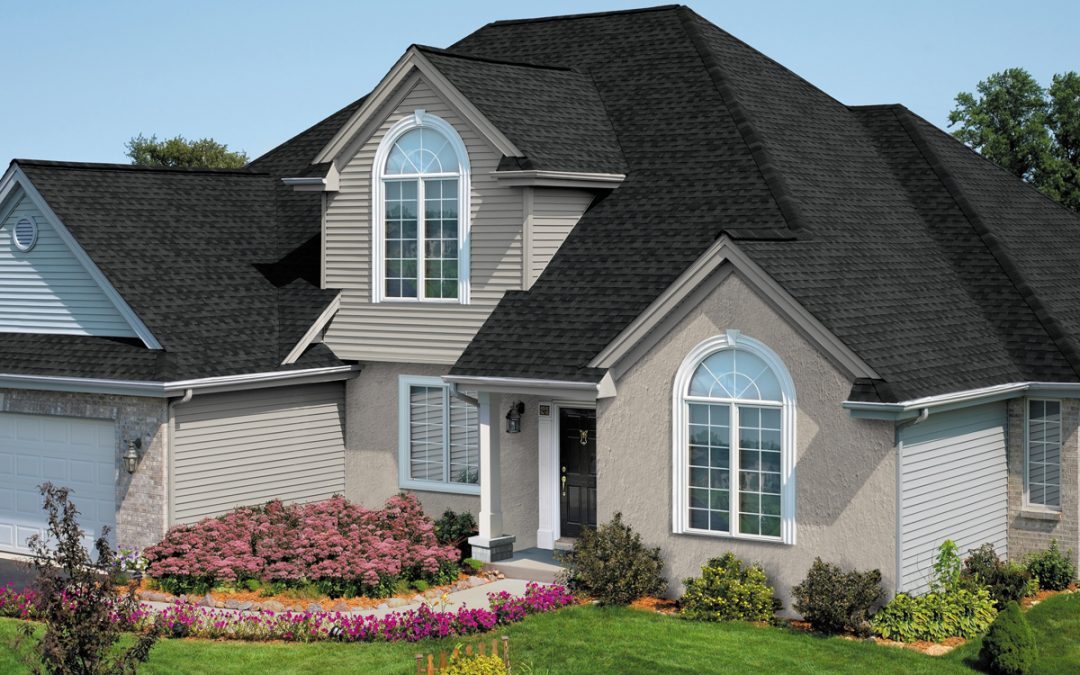

If two roofing companies quote very different prices for the same house, start by checking what each one plans to do around chimneys, vents and roof edges. One quote might include new flashing and a waterproof membrane at vulnerable spots, while the other may reuse existing components. The shingles can look identical from the street even when the work underneath differs considerably.
Whether you need a small roof repair or a full replacement, start with an inspection and ask the contractor to explain what they found. Once you understand the condition of the roof, you can compare materials, prices and warranties against the same scope of work.
Find a Roofing Company With Relevant Local Experience
There’s no dearth for professional roofers but selecting any company without research can reduce the lifespan of the roof. Sometimes employing an unskilled roofer may even cause accidental harm to your building structure or its residents. People should locate a professional and reliable roofer who guarantees top-quality services at reasonable prices. Some first-class roofers are competent in installing the latest roof styles to give the exterior of a home a distinctive appearance. Local weather conditions often dictate the specific materials and techniques a contractor must use. For instance, homes in areas with heavy snow or high winds need extra protection against moisture and structural stress. Hence, finding a qualified roofer in Red Deer (or elsewhere) is an important step to keep your home safe. These professionals understand how local winter storms affect shingles and siding. They can recommend durable materials that withstand extreme temperature changes throughout the year.
Ask for examples of projects with a roof slope and layout similar to yours. A house with several dormers, skylights or intersecting roof sections gives water more places to collect or enter. If your home has a low-slope addition, ask how the contractor would join that section to the main roof and where water will drain. When checking references, ask how the crew handled unexpected costs and whether the company returned to address any issues.
Get a Roof Inspection Before Deciding What to Replace
Tell the roofer when you first noticed the problem and what the weather was like. A stain that appears during heavy rain may have a different cause from dampness that shows up when snow starts melting. Water can also travel along the roof deck or framing before appearing on the ceiling, so the spot you see indoors may be some distance from where it entered.
Ask for photos and an explanation of the likely source. An isolated problem, such as damaged flashing around a vent or a small area of missing shingles, may be repairable if the surrounding roof is sound. Widespread deterioration, repeated leaks in several areas or moisture damage to the roof deck can make replacement the better option. If the recommendation depends on damage that can only be confirmed after tear-off, ask how the contractor will document it and what any extra work will cost.
If the contractor uses a drone to photograph a steep or hard-to-reach section, ask them to point out which findings are visible in the images and what needs a closer look. An overhead photo can show a missing shingle or debris in a valley. The condition of the decking beneath that area may still be uncertain until the crew can inspect it directly or view it from an accessible attic.
Verify Insurance, Licensing and Who Will Do the Work
Ask for proof of liability insurance, the name of the company that will be on site and the name of the person supervising the job. Find out whether the company uses subcontractors and how it verifies their coverage. In Alberta, a WCB-Alberta clearance letter can confirm whether the contractor has workers’ compensation coverage through WCB and whether its account is in good standing.
If the roofing company asks for payment before work is complete and discusses or finalizes the agreement at your home, Alberta’s prepaid contracting rules may apply. Check whether the company needs a provincial licence and verify it where required. For structural changes, confirm permit requirements with your municipality and have the contract specify who will arrange any required permits and inspections.
Compare Written Roofing Quotes Line by Line
Ask each company to itemize tear-off, disposal, the exact roofing product, underlayment, flashing and any ventilation work. The quote should identify which components will be replaced and which will be reused. If one estimate includes new step flashing where the roof meets a wall and another leaves the existing flashing in place, ask each contractor to explain how that decision affects the job and its warranty.
Roof decking, also called sheathing, is the surface beneath the roofing materials. Its condition can be hard to assess before the old covering comes off. Ask for a unit price for replacing damaged decking and a written process for approving extra work. For example, if the crew finds soft sheathing near a chimney, ask for a photo, the quantity that needs replacing and the added cost before approving the change.
Choose a Roof System for Local Weather
Architectural asphalt shingles are one option for sloped roofs. Where hail is a recurring concern, ask for the exact product name and whether it carries a Class 4 impact rating. If a contractor mentions an insurance discount, confirm eligibility with your insurer using that product name. If you’re comparing asphalt and standing-seam metal, ask how each system would handle chimneys, vents and snow shedding above entrances. For a low-slope section, ask whether the slope calls for a compatible membrane system and how it will drain.
The details beneath the roof covering matter in winter. An ice dam can form when snow melts on a warmer part of the roof and the runoff refreezes at the colder eaves. Water can then back up under the shingles. A self-adhering membrane can help protect vulnerable areas from water intrusion. If ice dams keep forming, ask whether attic air leaks, inadequate insulation or ventilation problems need attention alongside the roofing work.
Put Warranties and Job-Site Details in Writing
Ask for the manufacturer’s product warranty and the contractor’s workmanship warranty before signing. Read who handles a claim, whether labour is covered and which exclusions apply. If the warranty requires registration or specific materials, confirm who will handle registration and have the product details recorded on the final invoice. If you expect to sell the home, check whether coverage can transfer to the next owner.
The contract should also explain how the crew will protect landscaping and walkways, how it will secure exposed sections if the weather changes and what cleanup includes. Agree on payment milestones tied to work you can verify. At the final walkthrough, review photos of any decking or flashing work that is now covered, confirm that outstanding items are addressed and collect the warranty documents. Ask which maintenance checks the installer recommends and which ones the warranty requires. Keep the inspection photos, invoice and warranty together so you can find the product details if you need a repair later.
Know What to Do After a Storm
From the ground, look for missing shingles, loose metal edging or debris around the eaves. Indoors, watch for new ceiling stains or damp spots. If you suspect damage, photograph what you can safely see and arrange an inspection. If you may make an insurance claim, ask your insurer what documentation it needs and what temporary measures it expects before authorizing permanent repairs.
For an active leak, ask whether the roofing company can provide temporary weather protection and what that service costs. Get the permanent repair scope in writing once the source has been assessed. For planned work, take time to compare the inspection findings, materials and warranty terms before signing. Choose the company that can show you what needs attention, explain how it will fix it and put those details in the contract.
Comments are closed.