
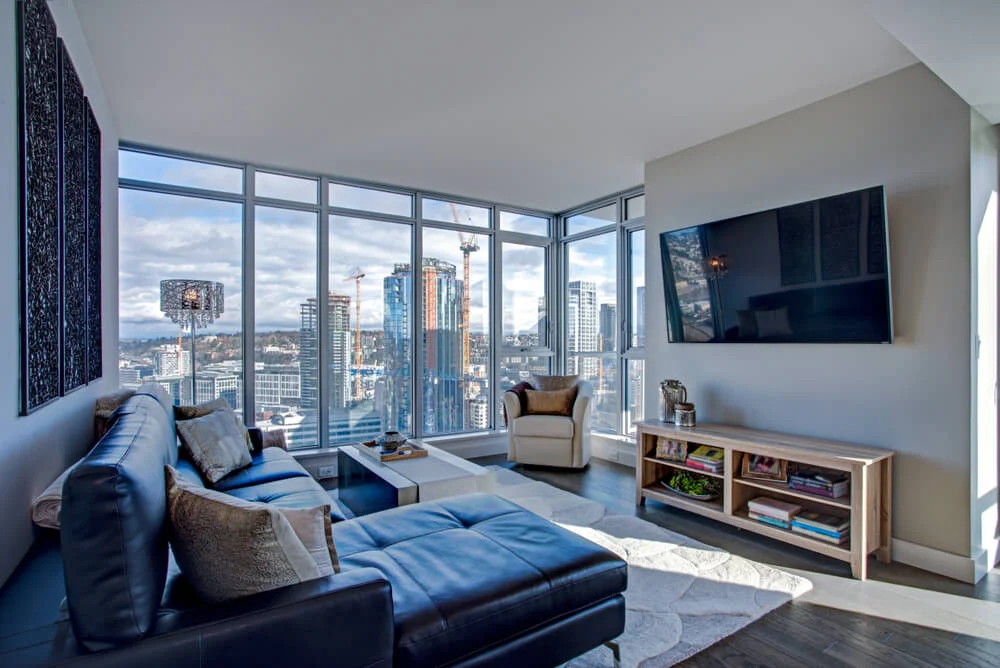

A condo can be a good fit if you want homeownership with fewer exterior maintenance responsibilities and convenient access to shared amenities. However, choosing one involves more than finding an attractive unit. Your budget, lifestyle, and comfort with community rules all matter.
Whether you are comparing downtown homes or exploring paradise resort oceanfront condos for sale, evaluate both the individual property and the community behind it. A beautiful interior cannot tell you whether the association manages money responsibly or whether the building needs expensive repairs.
The right condo should suit your everyday needs while leaving room in your budget for changing ownership costs. Here is how to assess that fit before committing.
Understand What Condo Ownership Includes
A condominium is a form of ownership, rather than a particular building style. Condos can be units in high-rise buildings, townhome communities, or smaller residential developments.
Typically, you own your unit and share ownership of common elements with other owners. An association manages those shared spaces under the community’s governing documents.
This arrangement combines individual ownership with collective decision-making. You can participate in association meetings and elections, but you will not independently control every decision affecting the property. Consider whether you are comfortable sharing responsibility for maintenance standards, amenities, and community spending.
Match the Maintenance Responsibilities to Your Lifestyle
Reduced exterior upkeep is a major advantage of condo living. Depending on the community, the association may arrange landscaping, roof repairs, common-area cleaning, and elevator maintenance.
However, a condo is not maintenance-free. Owners commonly remain responsible for appliances, interior finishes, and certain plumbing or heating equipment. Responsibility for windows, balconies, and other components varies.
Read the maintenance provisions before buying. Ask who handles a leaking pipe, damaged window, or failed air-conditioning system.
If you travel frequently or dislike yard work, this arrangement may suit you. Just remember that association-managed repairs are funded by owners’ contributions, and major projects may require additional payments.
Compare the Full Cost of Ownership
Condos are not automatically more expensive than single-family homes. Purchase prices depend on location, size, condition, and local demand. A condo may offer a lower entry price while carrying substantial recurring expenses.
Compare mortgage payments, property taxes, association dues, unit-owner insurance, utilities, and parking charges. Include closing costs and money for interior repairs.
HOA dues are generally paid separately from your mortgage payment, so check whether an advertised payment estimate includes them.
As a budgeting exercise, consider whether you could absorb a fee increase without relying on credit. Insurance premiums, labor costs, and replacement expenses can affect association budgets. Affordability should account for potential changes as well as the payment you face at purchase.
Choose a Location That Works Beyond the Viewing
An appealing neighborhood should also support your routine. Test the commute, check grocery access, and consider nearby healthcare, public transportation, and recreation.
Visit the building at different times. A peaceful weekday viewing may not reveal evening traffic, weekend visitors, or noise from nearby businesses. Inside the community, assess parking availability, delivery arrangements, elevator waits, and access to your unit.
For waterfront properties, investigate flood exposure, storm preparation, and evacuation access. For urban buildings, consider street noise and planned development nearby.
The location should make ordinary life easier. A desirable view or vacation atmosphere may not compensate for an inconvenient daily routine.
Decide Whether the Amenities Justify Their Cost
Pools, fitness rooms, shared workspaces, and secure entry systems can make condo living convenient. Their value depends on whether you will use them and how well they are maintained.
Ask about opening hours, guest restrictions, reservation requirements, and any additional charges. Visit the facilities rather than relying entirely on listing photographs.
Consider practical needs alongside leisure features. Reliable internet options, accessible entrances, storage, bicycle parking, and charging arrangements may matter more than an elaborate clubhouse.
Remember that shared facilities need cleaning, repairs, and eventual replacement. Choose a community whose amenities support your lifestyle at a cost you can comfortably sustain.
Read the Rules Before Making Plans
Community rules can affect pets, parking, noise, renovations, flooring, and use of shared spaces. Some associations require approval before owners make particular changes inside their units.
Review the declaration, bylaws, and rules during the applicable document-review period. If something is essential to you, obtain written confirmation rather than relying on a casual assurance.
Rental restrictions deserve attention even if you intend to live in the unit. Your circumstances could change, and leasing limits may affect future flexibility.
For vacation properties, confirm permitted rental lengths and any management obligations. Association permission does not replace compliance with local rental requirements. Check both before assuming you can generate rental income.
Check Privacy, Noise, and Everyday Comfort
Shared walls, ceilings, corridors, and facilities create opportunities for neighbor interaction. They can also introduce noise and reduce privacy.
During viewings, listen for footsteps, plumbing, elevator operation, and hallway activity. Consider the unit’s position relative to entrances, trash rooms, garages, and recreational areas.
If you work from home, assess the layout for calls and focused work. Also check natural light, ventilation, storage, and the route between parking and your front door.
Talking with residents can help you understand daily conditions, although their experiences may differ from yours. A condo should feel comfortable during an ordinary working day, as well as during a brief tour.
Examine the Association’s Finances and Building Condition
The association’s financial health deserves as much attention as the unit’s finishes. Ask for its budget, financial statements, reserve information, meeting minutes, and details of proposed major projects.
A reserve study estimates future replacement needs and funding requirements. Compare that planning with the money available and the work already scheduled.
Low dues are not automatically an advantage. They could reflect efficient management, but they might also indicate insufficient funding or postponed maintenance.
Arrange a unit inspection and request available building inspection reports. Persistent leaks, concrete deterioration, and unresolved structural concerns require further investigation. A newly renovated unit does not eliminate problems elsewhere in the building.
Understand Special Assessments
A special assessment is an additional charge imposed on owners, often to fund major work or address a financial shortfall. Ask whether any assessments are approved, proposed, or under discussion.
Establish the amount, purpose, payment schedule, and responsibility for payment in the purchase agreement. Insurance does not automatically cover these charges. Knowing the likely costs before closing is essential to judging affordability.
Review HOA Fees and Insurance Together
Once you understand the community’s services and financial obligations, examine how association insurance and your own coverage fit together.
Finally, it’s essential to be aware that condos typically come with monthly or yearly HOA (Homeowners Association) fees. These fees go towards maintaining the property and supporting the offered amenities. These fees usually cover a master insurance policy for the building exterior and common areas, but they do not protect your personal belongings or the interior of your unit. For that, you need your own HO-6 policy to fill the gaps. If you are looking at properties in the Denver metro area, securing condo insurance colorado centennial can help protect your investment. This coverage handles things like personal liability and loss assessment if the HOA passes down unexpected repair costs to owners. When considering a condo purchase, be sure to factor these fees into your budget.
Coverage needs a closer review because master policies vary. Some cover certain original interior components, while others leave more responsibility with the owner. Loss assessment coverage applies only to qualifying losses, subject to policy limits and exclusions. It generally does not cover routine maintenance, planned upgrades, or reserve shortfalls.
Ask an insurance professional to review both policies together, including deductibles and any need for separate flood or earthquake coverage.
Confirm Financing and Consider Future Resale
Mortgage preapproval addresses your finances, but the lender may also need to evaluate the condo project. Building condition, association finances, insurance, and certain legal issues can affect loan eligibility.
Ask a lender experienced with condos to review the community early. Resort properties and buildings operated like hotels may require different financing arrangements.
For resale, compare similar units in the same community and nearby developments. Consider their selling prices, marketing time, dues, and condition.
Condos are not universally harder to sell than houses. Demand varies by market, and future buyers will evaluate both your unit and the association. Well-managed finances and maintained buildings can support marketability, although appreciation is never guaranteed.
Make the Decision Around Your Priorities
A condo may suit you if you value convenient locations, shared amenities, and reduced exterior upkeep, and you accept the associated fees and rules.
A detached home may fit better if private outdoor space, greater separation from neighbors, and independent control over improvements are your priorities.
Before buying, bring together the inspection findings, association documents, financing review, and insurance quotes. An experienced real estate agent can help coordinate the process, while an attorney can clarify unfamiliar obligations.
Choose a condo when its everyday benefits, financial commitments, and community responsibilities fit your life. That balance matters more than an impressive listing.
Comments are closed.