
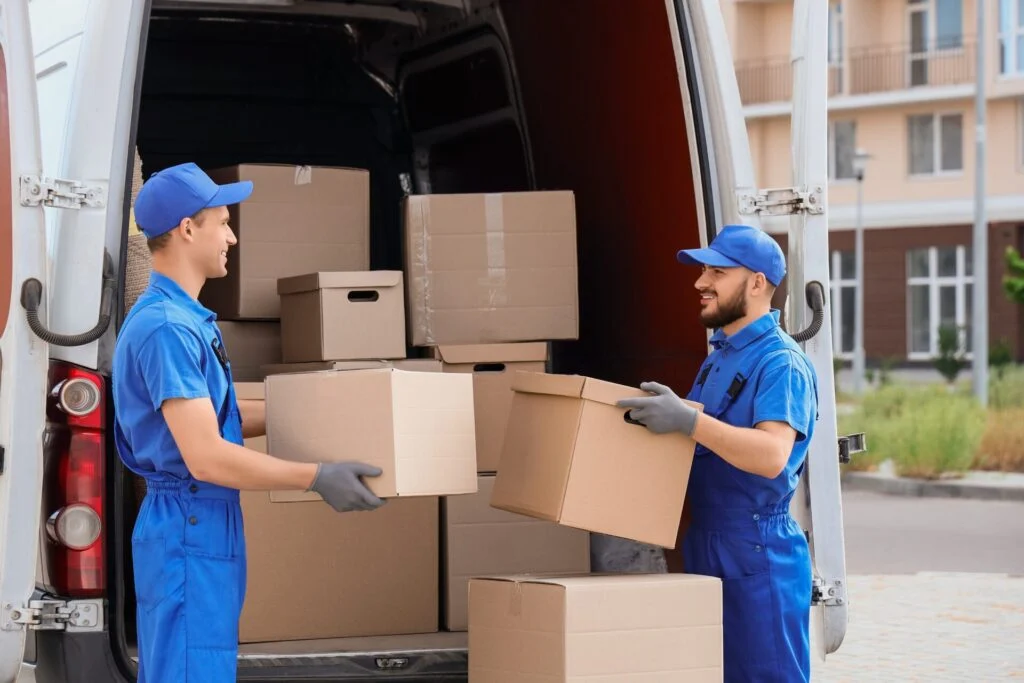

Relocating to a new home represents an exciting fresh start, but the physical process of moving often comes with a steep environmental cost. Millions of tons of single-use cardboard boxes, plastic stretch wrap, packing tape, and Styrofoam peanuts are discarded every year during residential transitions. Additionally, the carbon emissions generated by multiple trips in inefficient moving trucks add heavily to the environmental footprint of a standard move.
Fortunately, transitioning to a new space does not require creating a massive trail of waste. By adopting an eco-friendly mindset and organizing your relocation with sustainability at the forefront, you can drastically reduce your environmental impact. An eco-friendly move involves purging consciously, sourcing reusable alternatives, and maximizing fuel efficiency.
Aggressive Purging to Lessen the Load
The single most effective way to cut down on waste and fuel consumption during a relocation is to transport fewer items. Every pound of unnecessary weight requires extra packing materials and increases the fuel consumption of the transport vehicle. Before purchasing any boxes, audit every single room, closet, and drawer in your current household.
Sustainable Strategies for Sorting Belongings
When sorting through your possessions, categorize everything into three distinct streams: keep, donate/sell, or recycle. Be realistic about what items will truly serve a purpose in your next chapter.
-
Organize a Strategic Sale: Items that are in excellent condition can be sold via digital marketplaces or a traditional yard sale. This gives your unwanted goods a second life with someone else, keeping them entirely out of the landfill loop while generating pocket money to offset your moving expenses.
-
Host a De-cluttering Donation Drive: Clothing, furniture, books, and working kitchen appliances can be directed to local charities, shelters, or community donation centers. Many large charitable organizations even offer free curbside pickup for bulky items like couches and tables.
-
Responsible E-Waste and Chemical Disposal: Do not throw old electronics, half-empty paint cans, or harsh household cleaning chemicals into the regular trash. Look up your municipality’s designated hazardous waste or electronic recycling center to ensure these substances are processed safely without leaching into nearby soil or water systems.
Rethinking Your Packing Materials
Traditional moving relies heavily on purchasing brand-new cardboard containers and rolls of plastic bubble wrap that get thrown away the moment the destination is reached. Sustainable packing requires shifting toward a circular economy model where materials are reused rather than created fresh.
Embracing Reusable Totes and Household Containers
Before seeking out cardboard, inventory the storage containers you already own. Suitcases, duffel bags, gym bags, backpacks, and plastic storage bins scattered around the attic or garage can all hold a significant amount of weight. Fill these vessels first before adding external containers to your inventory.
If you require additional heavy-duty structural boxes, look into renting industrial plastic moving bins. A variety of modern relocation companies drop off durable, nesting plastic crates made from recycled material directly at your current doorstep. Once you finish unpacking at your new residence, the company arrives to collect the empty bins, ensuring they are scrubbed and put right back into circulation for the next customer.
Sourcing Pre-Owned Cardboard Boxes
If purchasing or renting plastic bins does not align with your logistical plan, make it a point to never buy new cardboard boxes. The manufacturing of virgin cardboard is resource-intensive, whereas existing boxes are abundant and looking for secondary purposes.
-
Inquire with Local Businesses: Supermarkets, liquor stores, bookstores, and home improvement chains receive large shipments daily and routinely collapse high-quality, heavy-duty boxes. Speak to a store manager to claim these containers before they go into the commercial baler.
-
Scan Online Community Boards: Check digital hyper-local classified networks where neighbors routinely list complete sets of moving boxes for free immediately after finishing their own unboxing process.
-
Utilize Natural Household Padding: Skip the plastic bubble wrap and chemical packing peanuts entirely. Protect your fragile glassware, porcelain plates, and delicate electronic screens by wrapping them in towels, bed sheets, winter blankets, pillowcases, and thick clothing. This clever strategy serves a dual purpose: it cushions your valuables perfectly while packing up your linens at the exact same time.
Green Transportation Practices
The actual transport phase of a move is where the majority of carbon emissions are generated. Optimizing how your belongings travel from point A to point B is a core component of a genuinely eco-friendly relocation strategy.
Maximizing Efficiency on the Road
If you are managing a local move using personal vehicles or a small rental truck, map out your logistics carefully to prevent driving back and forth unnecessarily. Every extra trip doubles your tailpipe emissions.
-
Pack the Vehicle Strategically: Treat the interior of the moving truck like a physical puzzle. Stack heavy boxes on the bottom, lock furniture into place to eliminate empty air pocket space, and slide soft bags into remaining gaps to ensure the vehicle is packed to its absolute maximum capacity.
-
Opt for Biodiesel or Hybrid Fleets: When hiring a professional moving company or renting a large container truck, ask prospective vendors about the age and fuel specifications of their vehicles. Many modern logistics fleets run on biodiesel blends or incorporate fuel-tracking software to optimize routes for maximum fuel economy.
-
Consolidate with Shared Freight: If you are moving a small apartment or a partial household across the country, look into consolidated shipping options. This practice places your belongings into a shared semi-truck alongside other shipments headed in the exact same geographic direction, splitting the overall carbon footprint of the journey among multiple clients.
Frequently Asked Questions
What should I do with leftover non-perishable food items before moving?
Instead of throwing away food or packing heavy cans that increase fuel emissions, donate your unopened, non-perishable pantry items to local food banks. Many moving companies participate in national food rescue programs where they actively collect unwanted non-perishable food directly from customers on moving day and deliver it to nearby food pantries on your behalf.
Is brown paper tape strong enough to replace standard plastic packing tape?
Yes, high-quality water-activated paper tape or heavy-duty self-adhesive kraft paper tape is fully capable of securing heavy moving boxes. Unlike traditional clear plastic acrylic packing tape, paper tape is completely biodegradable and recyclable, meaning it does not need to be painstakingly peeled off the cardboard box before the box enters a recycling stream.
How can I clean my old home sustainably before handing over the keys?
Avoid conventional cleaning products that contain synthetic fragrances, chlorine, and ammonia, which pollute indoor air and local water systems. Instead, clean your empty rooms using natural, biodegradable mixtures of distilled white vinegar, baking soda, and fresh lemon juice. These ingredients are highly effective at cutting through kitchen grease, removing bathroom soap scum, and neutralizing odors without leaving toxic chemical residues behind.
How do I dispose of mattress toppers and old bedding in an eco-friendly manner?
Do not leave old mattresses or foam toppers on the curb to be crushed by a standard garbage truck. Look for specialized mattress recycling facilities that shred the textile components to create industrial carpet padding or melt down the metal inner springs for scrap reuse. Animal shelters are also frequently in desperate need of old blankets, sheets, and comforters to line cages and keep rescued animals comfortable.
What is the most sustainable way to move a large collection of house plants?
Moving plants can be tricky because temperature extremes can shock them. Avoid buying plastic wrap or individual plastic pots to move them. Wrap the structural clay or ceramic pots in old newspapers or towels to prevent cracking, and settle the plants snugly into open-top cardboard boxes. If you are moving long-distance and cannot legally transport live plants across state agricultural borders, gift them to neighbors, friends, or local schools rather than composting them.
What should I do with my old recycling bins and trash cans when I leave?
In most municipalities, city-issued trash and recycling bins are legally tied to the physical property address and must remain behind for the next occupant. If you purchased personal, non-municipal plastic garbage cans or recycling baskets and do not wish to transport them, clean them thoroughly and check if a local community garden, school workshop, or neighbor can utilize them for tool storage or composting setups.
Are there eco-friendly alternatives to using plastic zip ties for securing loose cables?
Instead of using single-use plastic zip ties to bundle television cords, computer cables, and appliance wires, utilize reusable hook-and-loop fabric fasteners or basic biodegradable twine. Alternatively, you can collect cardboard toilet paper tubes, label the exterior with a marker, and slide the neatly coiled power cords inside the tubes to keep them separated and tangle-free inside your packing boxes.
Comments are closed.