
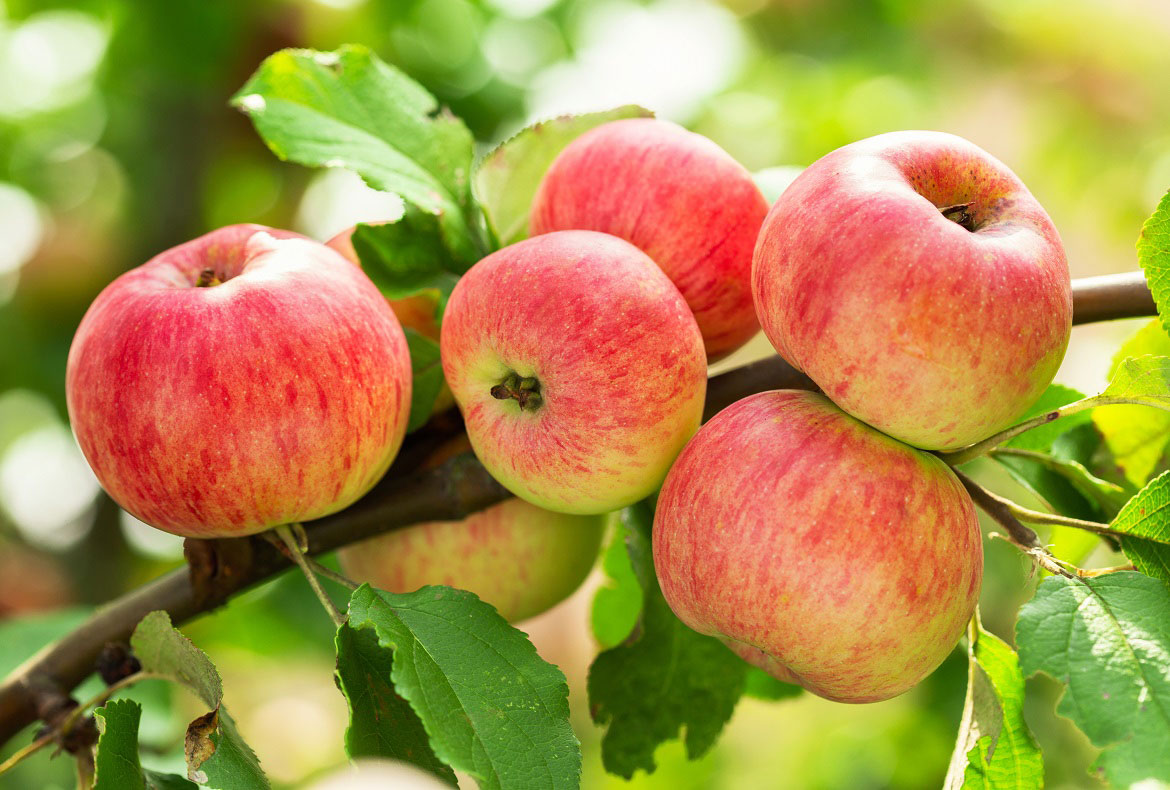

Growing your own fruit is a rewarding endeavor that not only enhances your garden but also provides delicious, fresh produce right at your fingertips. Whether you have a sprawling backyard or a small patio, there are various fruit trees and bushes suitable for your space and climate. This guide will help you explore some of the best options available, taking into account their growing requirements, flavor profiles, and maintenance needs.
Fruit Trees
1. Apple Trees (Malus domestica)
Apple trees are a classic choice for any home orchard. They come in various varieties, ranging from tart Granny Smith to sweet Honeycrisp, each offering unique flavors. Apple trees thrive in well-drained soil and require full sun for optimal fruit production. Depending on the variety, they may grow anywhere from 10 to 30 feet tall, making them versatile for different garden sizes.
Pollination Needs: Many apple varieties are not self-pollinating, meaning you’ll need at least two different varieties nearby to ensure a good harvest. Consider planting a mix to enjoy a variety of flavors and ensure robust pollination.
Maintenance: Regular pruning is essential to maintain shape and health. Additionally, watch out for common pests such as apple maggots and codling moths. Organic pest control methods, such as introducing beneficial insects or using insecticidal soap, can help manage these issues.
2. Peach Trees (Prunus persica)
Peach trees are known for their juicy and aromatic fruits. They prefer a warmer climate and thrive in zones 6 through 9. Choose varieties like ‘Elberta’ or ‘Redhaven’ for their excellent flavor and reliability.
Growing Conditions: Peach trees prefer full sun and well-drained soil with good air circulation. They can reach heights of 15 to 25 feet, so ensure you have enough space for growth.
Care Tips: Regular pruning helps to remove dead or crossing branches and promotes air circulation, which can reduce fungal diseases. Be on the lookout for pests like peach tree borers and aphids; using sticky traps can help monitor their presence.
3. Cherry Trees (Prunus avium & Prunus cerasus)
Cherry trees offer beautiful blossoms in spring and delicious fruits in summer. Sweet cherries (Prunus avium) are best for eating fresh, while sour cherries (Prunus cerasus) are ideal for cooking and baking.
Space Requirements: Cherry trees can grow to about 20 feet tall and require well-drained, sandy loam soil. They thrive in full sun and need protection from late frosts during blooming.
Pollination: Similar to apple trees, many cherry varieties require cross-pollination. Planting compatible varieties within proximity will enhance your chances of a bountiful harvest.
Pest Management: Common pests include the cherry fruit fly and aphids. Monitoring and using organic insecticides when necessary can keep these pests at bay.
Fruit Bushes
1. Blueberries (Vaccinium spp.)
Blueberries are a fantastic choice for smaller gardens or container growing. They are not only delicious but also packed with antioxidants. Blueberries thrive in acidic soil with a pH of 4.5 to 5.5.
Growing Conditions: Full sun is crucial for blueberry bushes, which typically reach 4 to 6 feet in height. They also benefit from companion planting with other acid-loving plants like azaleas and rhododendrons.
Maintenance: Regular pruning is important to promote new growth and remove any dead branches. Blueberries require consistent moisture, especially during fruiting, so be sure to water them adequately.
2. Raspberry Bushes (Rubus idaeus)
Raspberries are another excellent fruiting option for home gardens. They produce an abundance of berries that are perfect for jams, desserts, or fresh snacking. They prefer well-drained soil and full sun.
Growth Habit: Raspberries can be divided into summer-bearing and ever-bearing varieties. Summer-bearing types produce fruit on second-year canes, while ever-bearing varieties can produce two crops in a single growing season.
Care Techniques: Proper trellising is essential for raspberries, as they can become quite sprawling. Regular pruning helps manage growth and improves air circulation, which can help prevent diseases.
3. Blackberries (Rubus fruticosus)
Blackberries are hardy and prolific, offering sweet fruits with a unique flavor. They prefer similar conditions to raspberries and can thrive in a variety of soil types as long as there is good drainage.
Growth Characteristics: Blackberry bushes can be trailing or erect. Trailing varieties require support, while erect types can stand alone but may still benefit from some form of staking.
Pest Management: Be vigilant for pests like spider mites and aphids. Using row covers in early spring can protect tender plants from damage.
Final Considerations
When embarking on your fruit-growing venture, consider your local climate, space availability, and personal taste preferences. Research each plant’s specific requirements, such as soil type, sun exposure, and water needs. With the right selection and care, your garden can flourish with a variety of delicious fruits, providing both enjoyment and sustenance for you and your family. Whether you’re planting a single tree or a whole orchard, the satisfaction of harvesting your own fruit is truly unmatched.
Comments are closed.